
Texas Wine Lists in 2026: How Restaurants Are Pairing Steak, Brisket, and Tex-Mex with Old World Reds
From Pappas Bros. to Cabernet Grill, Texas restaurants are rebuilding wine lists with Rioja Tempranillo, Piedmont Nebbiolo, Chilean Carmenere, and Pinotage. Here is how to source them.
Texas has quietly become one of the most important wine markets in the United States. With more than 30 million residents, five of the nation's twenty largest cities, and a restaurant scene that runs from white-tablecloth steakhouses in Houston to wood-fired Tex-Mex in Austin and elevated barbecue in Dallas–Fort Worth, the Lone Star State is rewriting what an American wine program looks like in 2026. The trend is clear: long, regional encyclopedias are out. Tight, intentional, food-first lists are in — and Old World reds with the structure to stand up to beef, smoke, and chile are leading the charge.
For sommeliers, beverage directors, and retail buyers in Texas, that shift creates a real opportunity. The wines that pair effortlessly with a 16-ounce ribeye, a plate of cabrito, or a smoky brisket taco are not the cult California Cabernets that dominated lists a decade ago. They are Tempranillo from Rioja, Nebbiolo from Piedmont, Carmenere from Maule, and Pinotage from the Cape — the exact portfolio Manzanos Wines USA brings into Texas every month.
Why Texas Restaurants Are Rethinking Their Wine Programs
Industry coverage in 2026 has been unusually pointed about where wine service is heading. As one widely circulated trend report put it, “long wine lists sorted only by region are losing relevance. What works today is a clean, intentional list presented in simple, approachable” categories that the guest can actually navigate. On the steakhouse side, the same report notes that while Cabernet remains the anchor, “what is changing is how guests mix it” — with more openness to international reds that bring acidity, savoriness, and structure rather than pure power.
Texas operators feel this on the floor. Dallas–Fort Worth has been singled out by Wine Spectator as one of the country's most exciting markets for restaurant wine, and Michelin's recent guide to the state's best steakhouses underscores how serious the dining scene has become. Texas Monthly's 2026 list of the best new restaurants reads like a roadmap for any importer paying attention: a generation of chefs cooking with live fire, native ingredients, and a clear point of view, all looking for wines that fit the food rather than the other way around.
Pairing #1: Texas Steak Meets Rioja Tempranillo
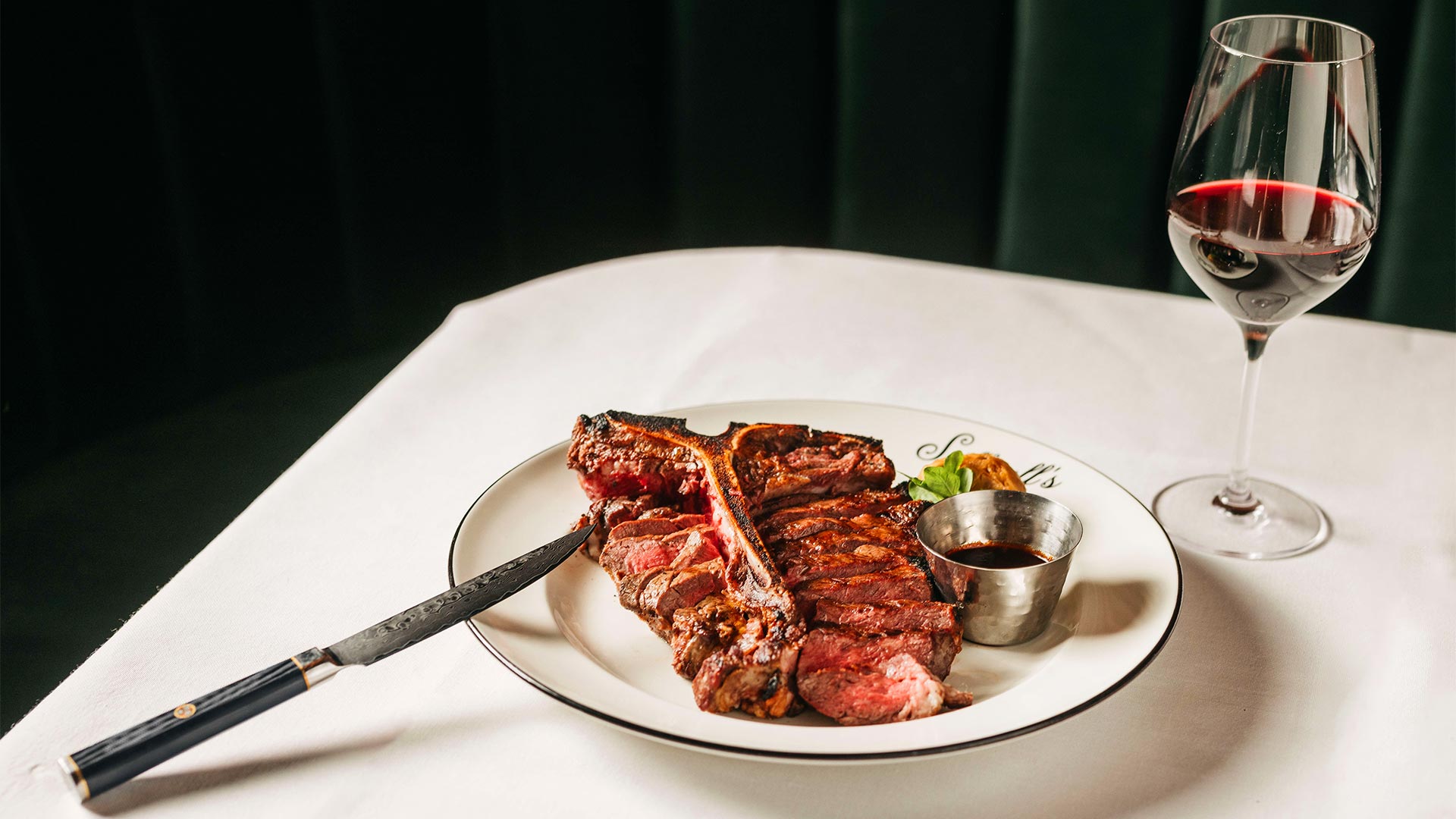
Start in Houston at Pappas Bros., or in Fort Worth at Cattlemen's, or at any of the steakhouses that anchor the Texas dining map. The classic order — a dry-aged ribeye or a bone-in strip, charred over mesquite — is the textbook case for aged Tempranillo. The wine's bright red-fruit core cuts through the fat, its savory leather-and-tobacco notes echo the char, and the firm but polished tannins reset the palate between bites.
From our Spanish portfolio, three wines do this work at three different price points:
- Manzanos Gran Reserva Rioja 2015 — 95 points, Wine Enthusiast. Five-plus years between barrel and bottle before release. The benchmark trophy-tier pour for a high-end steakhouse list.
- Manzanos Reserva Rioja 2018 — 93 points, Wine Enthusiast. The by-the-glass and “go-to bottle” slot. Polished enough for a tasting menu, priced for a Tuesday night.
- Siglo and Berceo — our deeper Rioja bench for value-driven lists, family-style restaurants, and retail programs that need a Crianza or Reserva at a sharp shelf price.
Texas pairing rule of thumb: if the steak is finished with butter, reach for a Gran Reserva. If it is finished with chimichurri or a chile-based rub, reach for a Reserva with a touch more freshness.
Pairing #2: Brisket, Pork Ribs, and Pinotage
Texas barbecue — the long-smoked brisket of Central Texas, the saucier pork ribs of East Texas, the elevated barbecue tasting menus appearing in Austin and Dallas — is one of the most demanding wine pairings in American cuisine. The combination of rendered fat, post-oak smoke, peppery bark, and (often) a sweet-and-sour sauce overwhelms most Cabernets and shuts down delicate Pinot Noirs.
South African Pinotage is the answer. Bruce Jack's Reserve Pinotage brings a smoky, savory character of its own — echoing the post-oak rather than fighting it — with enough plush dark fruit to balance the rub and enough acidity to handle a sauce. The Epic Journey, Bruce Jack's flagship red blend, scales up for tasting-menu barbecue experiences where the kitchen is layering smoke, fermentation, and umami.
For barbecue programs looking for a white that can actually stand up to the smoke, Bruce Jack's Reserve Sauvignon Blanc from the Cape offers a riper, more textural profile than a typical New Zealand bottling — enough weight to work with smoked turkey, sausage, or jalapeño-laced sides.
Pairing #3: Tex-Mex, Cabrito, and Chilean Carmenere
Chile's signature grape is built for the Texas plate. Cremaschi Furlotti Carmenere carries a green-pepper-and-spice top note that locks into chile-forward cooking — a plate of enchiladas in mole, slow-braised barbacoa, or roasted cabrito — the way few other reds can. Where Cabernet can taste flat against the heat and Malbec can taste jammy, Carmenere finds the groove.
The rest of the Cremaschi Furlotti range gives Texas operators a complete South American bench:
- Cabernet Sauvignon — a structured, classic pour for steakhouses that want to diversify beyond Napa.
- Pinot Noir — the lighter-bodied option for grilled fish, duck tacos, and pork tenderloin.
- Chardonnay and Sauvignon Blanc — white wine workhorses for ceviche, seafood towers, and the Gulf-influenced menus of Houston and Galveston.
Pairing #4: Italian Concept Restaurants and Duchessa Lia
Italian dining in Texas has gone well beyond red-checkered tablecloths. From handmade pasta rooms in Austin to the new wave of Italian steakhouses in Irving and Dallas, the category is one of the fastest-growing in the state. These programs need real Piedmont — not house-pour proxies — at prices that work for a wine-by-the-glass program.
Duchessa Lia, our Piedmont producer, gives Texas operators exactly that:
- Barolo — the destination bottle for tasting menus and special-occasion guests. Pairs with braised short rib, osso buco, truffle pasta, and aged cheeses.
- Nebbiolo d'Alba — the by-the-glass and reserve-list workhorse. Same DNA as Barolo at an accessible price.
- Moscato d'Asti — a sleeper dessert pairing for stone-fruit tarts, panna cotta, and lighter pastries; also a friendly opener for guests new to Italian wine.
- Gala Rosa — the patio and brunch rosé slot, where so many Texas restaurants live half the year.
How to Build a Texas Wine List Around These Pairings
For Texas restaurant buyers and sommeliers planning their next list refresh, here is a simple framework using the Manzanos Wines USA portfolio:
- One trophy Rioja — Manzanos Gran Reserva 2015 (95 pts) as the top-of-list red.
- One workhorse Rioja — Manzanos Reserva 2018 (93 pts) by the glass or as the everyday bottle.
- One value Spanish red — Siglo, Berceo, or Las Campanas Tempranillo from Navarra for the house-pour slot.
- One Italian destination wine — Duchessa Lia Barolo for the celebration table.
- One Italian by-the-glass — Nebbiolo d'Alba.
- One Chilean red — Cremaschi Furlotti Carmenere as the chile-friendly red.
- One South African red — Bruce Jack Reserve Pinotage for barbecue and smoke.
- One rosé and two whites — Duchessa Lia Gala Rosa, Bruce Jack Reserve Sauvignon Blanc, Cremaschi Furlotti Chardonnay.
That is ten thoughtfully chosen SKUs that cover every major Texas menu category — steak, barbecue, Tex-Mex, seafood, Italian, brunch — without overwhelming the guest or the inventory budget.
Sourcing in Texas
Manzanos Wines USA ships our full portfolio into Texas through our licensed distributor network. Restaurant groups, independent operators, hotel beverage programs, and retailers across Houston, Dallas–Fort Worth, Austin, San Antonio, El Paso, and the Hill Country can request pricing, allocation, and tasting samples directly. We work with on-premise sommeliers on glass-pour features and pairing menus, and with off-premise buyers on retail sets and chain programs.
If you are a Texas buyer planning a Q3 or Q4 2026 list refresh, now is the moment to lock in allocations on the Manzanos Reserva 2018 and Gran Reserva 2015 — the awards have driven national demand and Texas inventory moves quickly.
Reach out to source through Manzanos Wines USA: contact our Miami office to be connected with the right distributor for your Texas market and to schedule a tasting.
Manzanos Wines USA is the premier importer of premium wines from Spain, Italy, Chile, South Africa, and France, serving all 50 US states through our nationwide distributor network. Learn more at manzanoswinesusa.com.
Manzanos Wines USA is a Spanish wine importer in the United States: Rioja and Navarra wines from our own family wineries, in stock in the U.S. and ready to ship to all 50 states.
Discover Our Wines
Explore the full Manzanos Wines USA portfolio — premium wines from Spain, Italy, Chile, France, and South Africa, delivered to distributors and restaurants across America.
Explore Our Wines