
7 Wine Trends for 2027 Every U.S. Wine Buyer Should Plan For Now
Millennials are now 31% of U.S. wine drinkers and Boomers just 26%. Seven data-backed trends that will decide which bottles win shelves and wine lists in 2027.
Here is the number that should shape every 2027 wine plan: Millennials are now 31% of U.S. wine drinkers, and Baby Boomers have slipped to 26%, down from 32% just two years earlier, according to the Wine Market Council. The customer at the center of the wine aisle changed, and most shelves and wine lists have not caught up yet.
At the same time, the overall market is still soft. NIQ data analyzed by Terrain show U.S. off-premise wine sales fell 5% in value and 6% in volume in 2025, and the National Alcohol Beverage Control Association's figures had the rolling 12-month average down 4.2% through July 2026. Yet some segments grew outright. The story for 2027 is not "less wine." It is different wine, sold differently, to a different customer.
Below are seven trends we see in the data and on the street as we sell Spanish, Italian, Chilean and South African wines across the country, and what each one means for consumers, retailers, restaurants and distributors.
Key Takeaways
- Premium holds, the bottom shrinks: the market splits around the premium tier, and lower-priced brands are losing the most ground.
- The new core buyer is younger: Millennials (31%) and Gen Z (14%) now outweigh Boomers among wine drinkers.
- Wine is for occasions: over 40% of drinkers say wine makes an occasion feel more special.
- Fewer listings, tougher competition: points of distribution fell 5% in 2025, so every slot has to earn its place.
- Supply certainty is a selling point: with imports swinging on tariffs, wine already in U.S. warehouses wins the reorder.
What Are the Biggest Wine Trends for 2027?
1. "Drink less, but better" keeps pushing the market up the shelf
The U.S. wine market is now conspicuously split at the premium line. Terrain's review of NIQ data shows bottles in the roughly $15-and-up tier lost only about a point of volume in 2025, while sales of lower-priced brands dropped 7%. Premium and luxury off-premise volumes are still well above their pre-pandemic level.
For 2027 this means the bottle a guest does choose has to be worth it. That favors wines with a story, an origin and a third-party score behind them. It is exactly why our Manzanos Gran Reserva Rioja 2015 (95 points, Wine Enthusiast) and Manzanos Reserva Rioja 2018 (93 points, Wine Enthusiast) keep moving: a 90+ point Rioja with real bottle age is the definition of "better" for a shopper who is buying fewer bottles.
2. The core wine buyer is now a Millennial, and Gen Z is arriving
The Wine Market Council's latest study found Gen Z's share of wine drinkers climbed from 9% to 14%, even though only about half of that generation is of legal drinking age. These buyers explore across categories, read labels on their phones and expect a reason to pick one bottle over another.
- Origin sells: a family estate founded in 1890 and run by five generations is more compelling than a generic brand.
- Discovery sells: grapes like Carmenere, Pinotage and Graciano give younger drinkers something new to talk about.
- Clarity sells: shelf talkers and wine lists that explain style and pairing in one line beat a wall of names.
3. Wine wins the occasion, not the weeknight
More than 40% of drinkers in the Wine Market Council study now say wine makes an occasion feel more special, a shift away from "relaxing at home" as the main reason to open a bottle. In other words, wine is becoming the drink of the dinner party, the holiday table, the celebration and the shared plates night out.
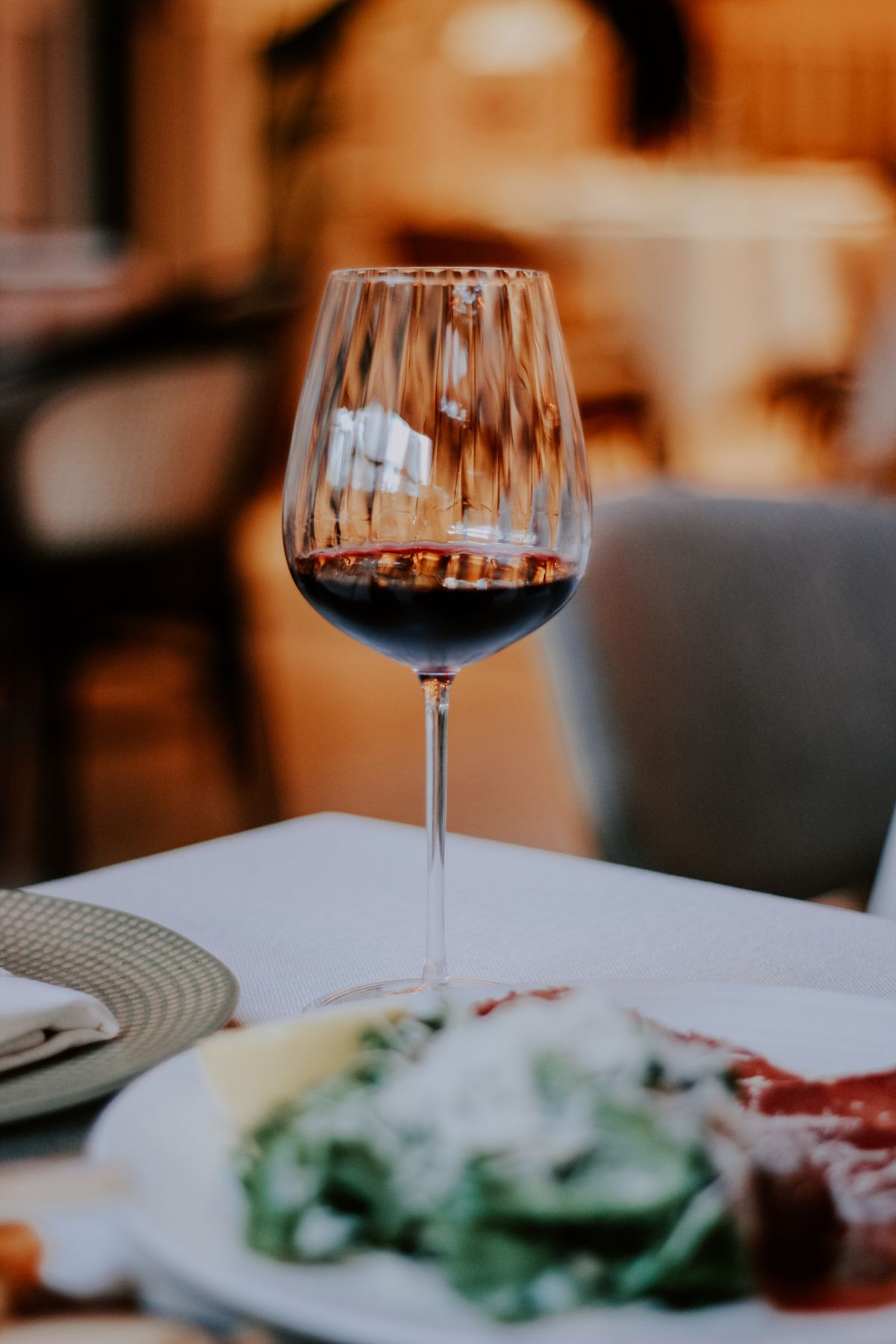
For retailers, that argues for merchandising by occasion (Thanksgiving, game day, tapas night) rather than only by grape. For restaurants, it means the wine list should make the celebratory bottle easy to find. A Rioja Gran Reserva for the table, a Duchessa Lia Barolo for the anniversary dinner and a festive Duchessa Lia Moscato d'Asti for dessert cover three of the most common "special" moments.
4. Fewer listings mean every slot has to earn its place
Points of distribution for wine fell 5% in 2025 even though the number of wine-buying accounts dropped just 1%, according to SipSource figures cited by Terrain. Accounts are not disappearing; they are carrying fewer SKUs. Buyers are trimming the long tail and keeping the wines that sell through.
The wines that survive the cut in 2027 will be the ones that combine a recognizable region, a strong score and dependable supply. If you are building a tighter list, our full portfolio spans Rioja, Navarra, Piedmont, Chile's Maule Valley and South Africa's Cape, so one supplier can cover several "must-have" slots.
5. Imports regain share, but supply certainty becomes the real advantage
Despite tariffs, Terrain notes that domestic wines kept ceding market share to imports in 2025. Import flows themselves, however, have been volatile: trade data show U.S. wine import value fell 15.8% in the first eight months of 2026, from about $4.5 billion to $3.8 billion, as importers adjusted to tariff changes. (We break down the numbers in our guide to wine tariffs in 2026.)
For a buyer, the practical question in 2027 is simple: is the wine already here? Our wines are in stock in the U.S. and ready to ship to all 50 states, which takes container timing and customs uncertainty out of the reorder. Trade buyers looking for a Spanish wine importer with domestic inventory can plan holiday and spring programs without guessing at arrival dates. If you are weighing bringing wine in yourself, our step-by-step guide to importing Spanish wine shows what is involved.
6. New formats and wine-based drinks keep growing at the edges
The only wine categories that grew outright in 2025 were wine-based ready-to-drinks (up 30%) and non-alcoholic wines (up 22%), per Terrain. Smaller formats also held up far better than standard bottles: sub-750ml sizes slipped just 1%, versus an 8% decline for 750s. These are still small segments, but they show how open younger drinkers are to new ways of buying wine.
The lesson for traditional producers is not to abandon the 750. It is to make the full bottle feel worth opening: serve it at the right temperature, pair it clearly and give it a reason to be on the table. A lighter, fresh style such as Moscato d'Asti, Navarra rosado or Chilean Sauvignon Blanc from Cremaschi Furlotti fits the same "easy, sessionable" mood that is pulling people toward these new formats.
7. Experiences and storytelling beat discounting
A Forbes look at 2027 wine trends published this week highlights wine tourism and tasting experiences gaining strategic importance, alongside technology like smarter labels and data-driven vineyard management. At home, the equivalent is the in-store tasting, the staff pick with a story and the winemaker dinner.
That is where heritage brands have an edge. Bruce Jack's Reserve Pinotage and The Epic Journey carry one of South Africa's most compelling winemaker stories; Cremaschi Furlotti brings family winemaking from Chile's Maule Valley; and the Fernández de Manzanos family has been making wine in Rioja and Navarra since 1890. Across our portfolio, more than 600 wines have earned 90+ points, with scores reaching 98, and Manzanos 125 Aniversario won Decanter Platinum with 97 points. Those are stories a server or a store clerk can tell in ten seconds.
Is the Wine Industry Struggling in 2026?
Volumes are down, but the picture is uneven. The decline is concentrated in lower-priced wine, while premium wines, wine-based RTDs and non-alcoholic wine are holding or growing. The industry is sorting, not simply shrinking, which we explored in our look at the five numbers behind the 2026 U.S. wine market.
Are Americans Drinking Less Wine Nowadays?
Fewer Americans drink wine frequently: the Wine Market Council found the share of legal-age adults drinking wine at least every two to three months fell from 34% to 29%. Those who do drink wine increasingly choose it for meals and celebrations, and they tend to buy better bottles when they do.
What This Means for Your 2027 Plan
- Retailers: merchandise by occasion, lead with scores and origin, and keep two or three hero bottles per region rather than ten interchangeable ones.
- Restaurants: build a shorter list with a clear "celebration" section and a few discovery grapes by the glass.
- Distributors: back brands with domestic inventory and real sell-through support, because accounts are cutting the SKUs that do not move.
- Wine lovers: look for family estates, regional character and independent scores; they are the best guide to "better" when you are buying fewer bottles.
Frequently Asked Questions
What are the trends in the wine industry for the future?
The clearest trends heading into 2027 are premiumization (fewer but better bottles), a younger core buyer led by Millennials and Gen Z, wine chosen for occasions, tighter retail and restaurant listings, and growth at the edges from wine-based RTDs, non-alcoholic wine and smaller formats.
Is the wine industry expected to decline in 2026?
Overall U.S. wine volume has continued to soften in 2026, with control-state data down about 4% on a rolling 12-month basis through July. The decline is concentrated in lower-priced wine, while premium segments are outperforming.
Why are U.S. wine sales declining?
Analysts point to competition from spirits, RTDs and other beverages, moderation among some drinkers, economic pressure on household budgets and fewer frequent wine drinkers. At the same time, those who stay in the category are trading up.
Which wines are best positioned for 2027?
Wines that combine a recognizable region, a strong independent score, a clear story and dependable supply. Rioja Gran Reserva and Reserva, Piedmont's Barolo and Moscato d'Asti, Chilean Carmenere and South African Pinotage all fit that profile for American buyers.
Plan Your 2027 Wine Program With Us
Wine lovers: find our wines at retailers including Costco, Total Wine & More, Albertsons, Spec's, BevMo!, Binny's, Hy-Vee, Rouses, Sedano's, Lunds & Byerlys and Haskell's, or use our Find Our Wines locator to see what is available near you.
Retailers, restaurants and distributors: if you are rebuilding your list for 2027, talk to us about sourcing in-stock, high-scoring wines from Spain, Italy, Chile and South Africa, or become a distributor in your state.
Manzanos Wines USA is the premier importer of premium wines from Spain, Italy, Chile, South Africa, and France, serving all 50 US states through our nationwide distributor network. Learn more at manzanoswinesusa.com.
Please enjoy responsibly. Must be 21+.
Manzanos Wines USA is a Spanish wine importer in the United States: Rioja and Navarra wines from our own family wineries, in stock in the U.S. and ready to ship to all 50 states.
Discover Our Wines
Explore the full Manzanos Wines USA portfolio — premium wines from Spain, Italy, Chile, France, and South Africa, delivered to distributors and restaurants across America.
Explore Our Wines