
4 Piedmont Wines Every US Wine List Needs in 2026
From the King of Wines to a low-alcohol fizz that's suddenly everywhere: 4 Piedmont pours from Duchessa Lia that belong on your 2026 list.
The most talked-about wine in America right now clocks in at just 5.5% alcohol, tastes of peach and orange blossom, and costs less than a movie ticket. It is Moscato d'Asti — and its quiet revival is only one reason to look hard at Piedmont in 2026.
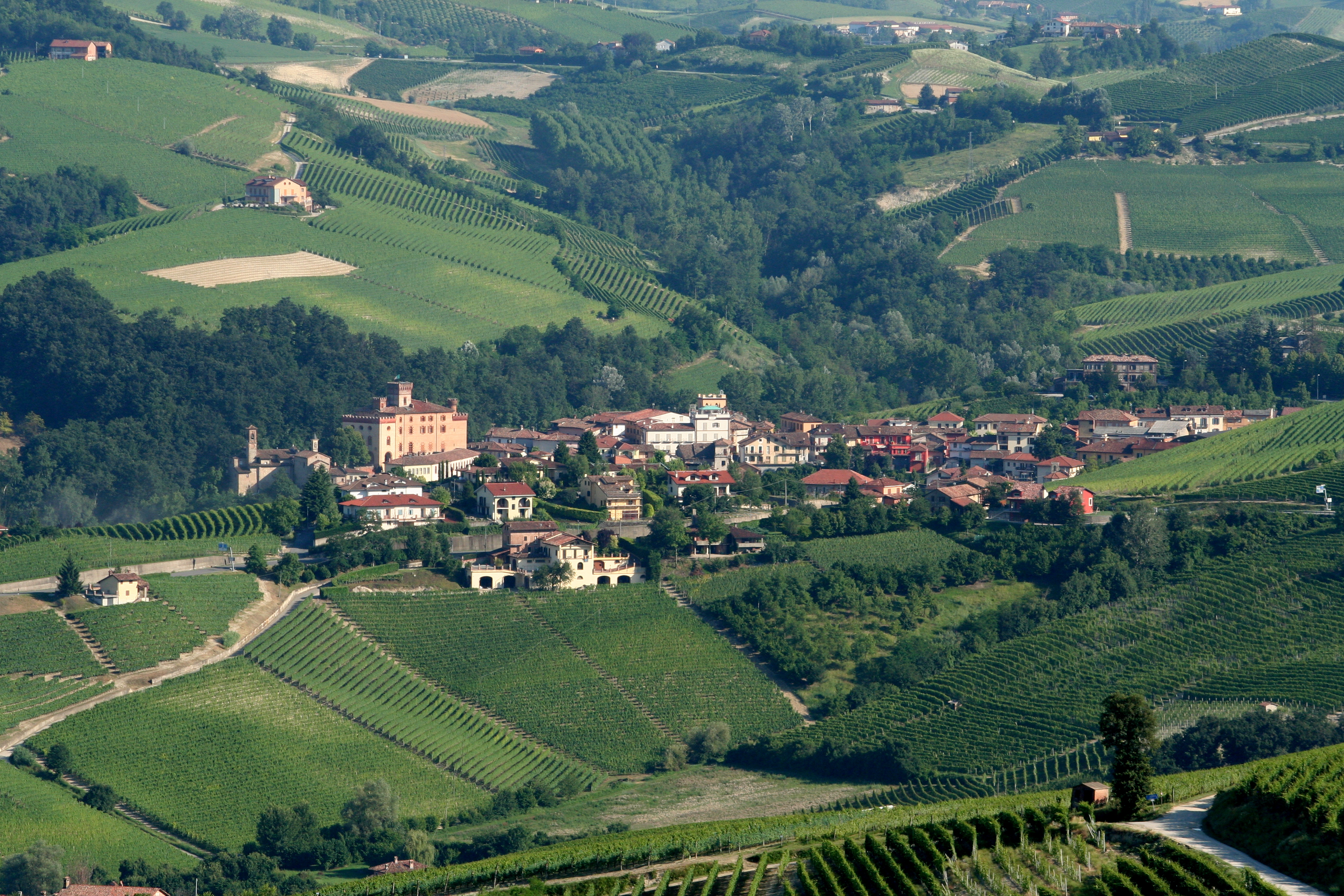
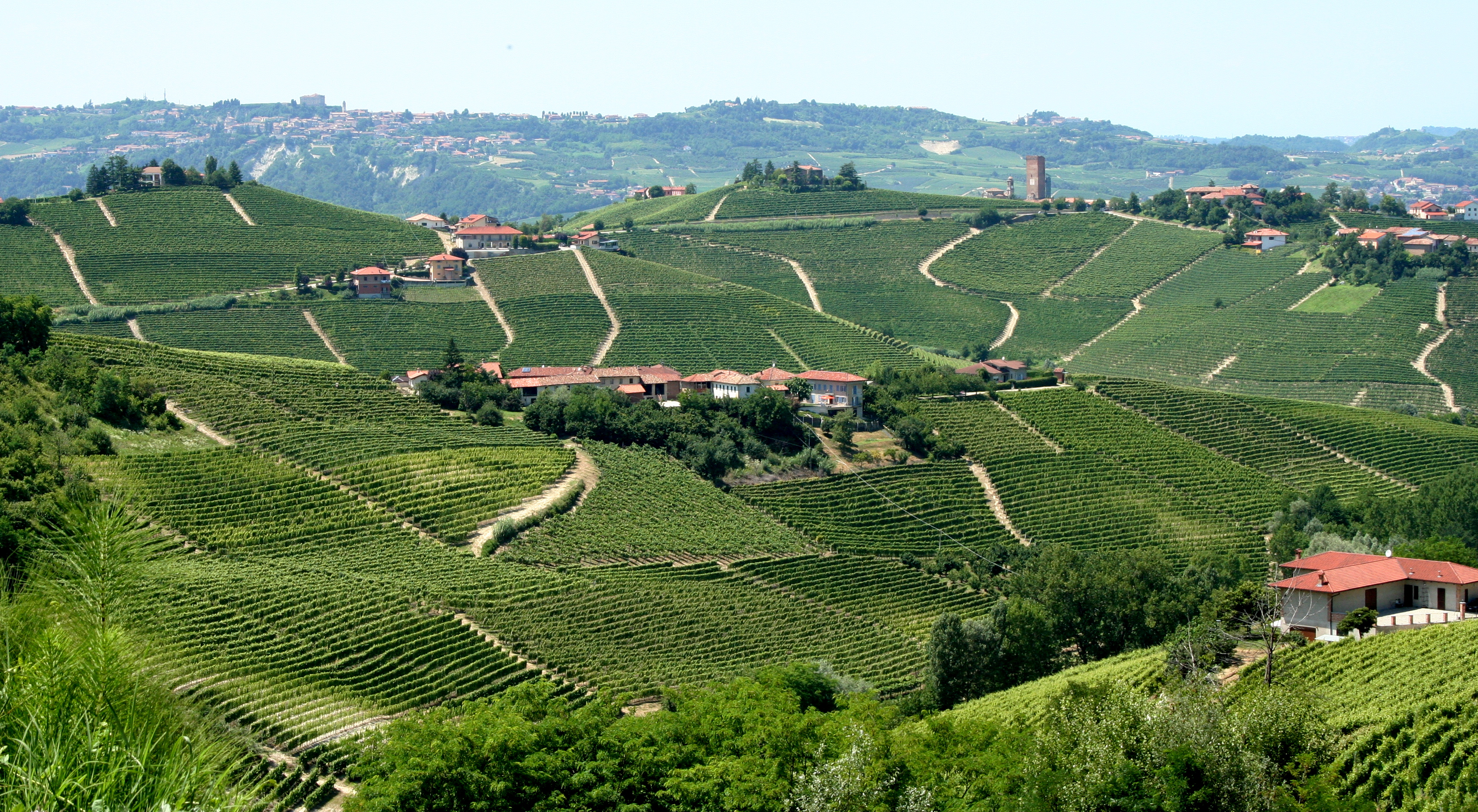
Tucked into the northwest corner of Italy, in the fog-wrapped hills of the Langhe and Monferrato, Piedmont produces two things at once: some of the most age-worthy red wine on earth, and some of the most joyful, low-alcohol bubbles you can pour. That range is exactly why it belongs on more American wine lists this year. Our Italian house, Duchessa Lia, bottles both ends of that spectrum — from the majestic Barolo to a barely-there-fizz Moscato — and the four wines below are the ones US buyers keep asking us about.
Key Takeaways
- Barolo is 100% Nebbiolo — the “King of Wines,” built for truffles, braised meat and a decade in the cellar.
- Nebbiolo d'Alba delivers the same grape's perfume for a fraction of the price and drinks beautifully young.
- Moscato d'Asti is the 2026 breakout: ~5.5% ABV, lightly sweet, gently sparkling — the low-alcohol category made delicious.
- Gala Rosa is Piedmont's answer to the sparkling-rosé boom: pink, festive and impossibly easy to sell.
- 2026's dominant wine trends — lighter styles, less oak, lower alcohol — run straight through Piedmont.
Why Piedmont, and Why Now
Wine buyers spent the last few years chasing two apparently opposite things: serious, structured reds with a story, and lighter, lower-alcohol wines that fit the way people actually drink midweek. Piedmont answers both without blinking. The 2026 trend reports keep circling the same words — sustainability, lighter wines, less oak, lower alcohol — and Piedmont has been living those values for generations, not marketing quarters.
For the US trade, that dual identity is a merchandising gift. A single producer like Duchessa Lia lets a distributor or restaurant cover a by-the-glass fizz, a crowd-pleasing pink, an accessible Nebbiolo and a trophy Barolo — all with one origin story rooted in the Langhe hills. Here are the four to know.
1. Barolo — The King of Wines
Barolo is Piedmont's calling card and, for many collectors, the greatest wine Italy makes. It is produced from a single grape, Nebbiolo, grown in a tightly drawn zone of villages south of Alba. Pale garnet in the glass, it fools no one on the palate: aromas of tar and roses, dried cherry, truffle and leather sit on a frame of firm tannin and bright acidity that carries the wine for years.
This is a wine that rewards patience and a proper table. Duchessa Lia's Barolo is a classically styled expression — structured, savory and built to age — the kind of bottle that anchors a premium list and gives a sommelier something to talk about. For US restaurants trading up their Italian sections, it is a natural flagship.
Are Barolo and Nebbiolo the Same Grape?
This is the question we hear most, and the answer is a useful one to hand your staff. Nebbiolo is the grape; Barolo is a place. All Barolo is made from Nebbiolo, but not all Nebbiolo is Barolo — the name Barolo is reserved for wine from that specific DOCG zone, made to strict aging rules. Grow the same grape in the broader Alba area and you get a wine called simply Nebbiolo d'Alba: same aromatic DNA, softer edges, ready far sooner.
2. Nebbiolo d'Alba — The Smart Buy
If Barolo is the special-occasion pour, Nebbiolo d'Alba is the everyday ambassador for the grape. It offers that unmistakable rose-and-red-cherry perfume and fine tannin, but in a lighter, earlier-drinking package that doesn't demand a decade of cellaring — or a special-occasion price.
For the trade, this is one of the most persuasive wines in the Duchessa Lia range: it gives guests a genuine taste of Nebbiolo at a by-the-glass-friendly price, and it opens the door to trading them up to Barolo later. For consumers curious about “that Barolo grape” without the commitment, it is the perfect first step.
3. Moscato d'Asti — 2026's Breakout Bottle
Here is the wine that has US retailers reordering. Moscato d'Asti is having a genuine moment, and the numbers explain why: it sits at roughly 5.5% alcohol, is only lightly sweet, and carries a soft, gentle fizz rather than a full sparkle. In a market leaning hard into low-alcohol and lower-sugar options, it is the rare bottle that satisfies the trend and tastes like pure sunshine — peach, apricot, ripe grape and orange blossom.
Duchessa Lia's Moscato d'Asti is exactly the style driving the category: fragrant, delicate and refreshing, with just enough sweetness to charm and low enough alcohol to pour at brunch. It is a by-the-glass workhorse, a dessert-course hero, and an easy yes for the growing crowd drinking mindfully.
Is Moscato d'Asti Really Sweet?
Less than most people expect. Moscato d'Asti is lightly sweet, not cloying — its bright acidity and low alcohol keep it fresh and drinkable rather than syrupy. Think of it as gently off-dry: sweet enough to enjoy with fruit tart or a cheese board, balanced enough to sip on its own on a warm afternoon. That balance is precisely why it converts skeptics.
What Does “d'Asti” Mean — and How Is It Different From Asti?
“d'Asti” simply means from Asti, a town and province in Piedmont. The distinction worth teaching your team is between Moscato d'Asti and Asti (once called Asti Spumante). Moscato d'Asti is lightly sparkling (frizzante) and lower in alcohol, around 5.5%. Asti is fully sparkling (spumante), typically a touch sweeter and higher in alcohol. Same Moscato Bianco grape, two different intensities of bubble — and Moscato d'Asti is the artisanal, lower-alcohol one leading the 2026 revival.
4. Gala Rosa — Riding the Pink Wave
Sparkling rosé has become one of the most reliable sales categories in American wine, and Piedmont has a charming answer: Gala Rosa, Duchessa Lia's gently sparkling pink. It is festive, fruit-forward and built for a crowd — the bottle that sells itself at a bridal shower, a summer terrace or a holiday toast.
For the trade, Gala Rosa rounds out the range with a wine that needs no education to move. Point at the pink bubbles, pour a sample, and the sale makes itself. It is the friendly on-ramp that gets a first-time buyer to come back for the Nebbiolo.
What Food Pairs Well With Barolo and Nebbiolo?
Piedmont is a food-and-wine culture first, so the pairings are built in. The golden rule with Barolo: keep the food rich but simple, and let the wine lead.
- Anything with truffle — the classic Piedmontese match for mature Barolo, from tajarin pasta to a truffled egg.
- Braised and roasted meats — brasato al Barolo (beef braised in the wine itself), osso buco, roast lamb.
- Rich pasta and risotto — egg-yolk pastas, cheesy gnocchi, mushroom risotto.
- Aged hard cheeses — Parmigiano, aged pecorino, Castelmagno.
Nebbiolo d'Alba loves the same table with a lighter touch — mushroom dishes, roast chicken, tomato-based pastas and medium-aged cheese. And don't overlook the whites and pinks: Moscato d'Asti is a natural with fruit desserts and lighter blue cheese, while Gala Rosa is happy with charcuterie, salads and a sunny afternoon.
Building the Piedmont Section on Your List
Put these four together and you have a complete Piedmont story in a single producer — entry to icon, still to sparkling, red to pink:
- By the glass: Moscato d'Asti and Gala Rosa — low-alcohol, on-trend, instantly approachable.
- The everyday red: Nebbiolo d'Alba — real Piedmontese character at a fair price.
- The flagship: Barolo — the trophy that lends the whole section credibility.
It is a lineup that speaks to the mindful drinker and the collector in the same breath — which is exactly what the 2026 market is asking for. Explore the full range on our wines page.
Frequently Asked Questions
Are Barolo and Nebbiolo the same?
Not quite. Nebbiolo is the grape variety; Barolo is a specific region in Piedmont where Nebbiolo is grown and aged under strict rules. All Barolo is Nebbiolo, but Nebbiolo grown elsewhere in the Alba area is labeled simply Nebbiolo d'Alba — lighter and ready to drink sooner.
Is Nebbiolo or Barolo lighter?
Nebbiolo d'Alba is generally lighter and more approachable young, with softer tannins and earlier drinkability. Barolo, though also pale in color, is far more structured, tannic and age-worthy — it is Nebbiolo turned up to full intensity.
Is Moscato d'Asti really sweet?
It's only lightly sweet. With about 5.5% alcohol and lively acidity, Moscato d'Asti stays fresh and delicate rather than syrupy — gently off-dry, gently sparkling, and easy to drink on its own or with fruit-based desserts.
What's the difference between Moscato d'Asti and Asti?
Both come from the Moscato Bianco grape near Asti in Piedmont. Moscato d'Asti is lightly sparkling and lower in alcohol (around 5.5%); Asti (formerly Asti Spumante) is fully sparkling and usually a bit sweeter and higher in alcohol.
Pour Piedmont in 2026
Consumers: ready to taste the King of Wines — or that low-alcohol fizz everyone's talking about? Find our wines near you and bring a little of the Langhe home.
Trade — distributors, retailers and restaurants: Duchessa Lia's Piedmont range is available across all 50 states through our network. Partner with us to build a Piedmont section that sells from the by-the-glass fizz all the way to the cellar-worthy Barolo.
Manzanos Wines USA is the premier importer of premium wines from Spain, Italy, Chile, South Africa, and France, serving all 50 US states through our nationwide distributor network. Learn more at manzanoswinesusa.com.
Manzanos Wines USA is a Spanish wine importer in the United States: Rioja and Navarra wines from our own family wineries, in stock in the U.S. and ready to ship to all 50 states.
Wines featured in this story

Discover Our Wines
Explore the full Manzanos Wines USA portfolio — premium wines from Spain, Italy, Chile, France, and South Africa, delivered to distributors and restaurants across America.
Explore Our Wines