
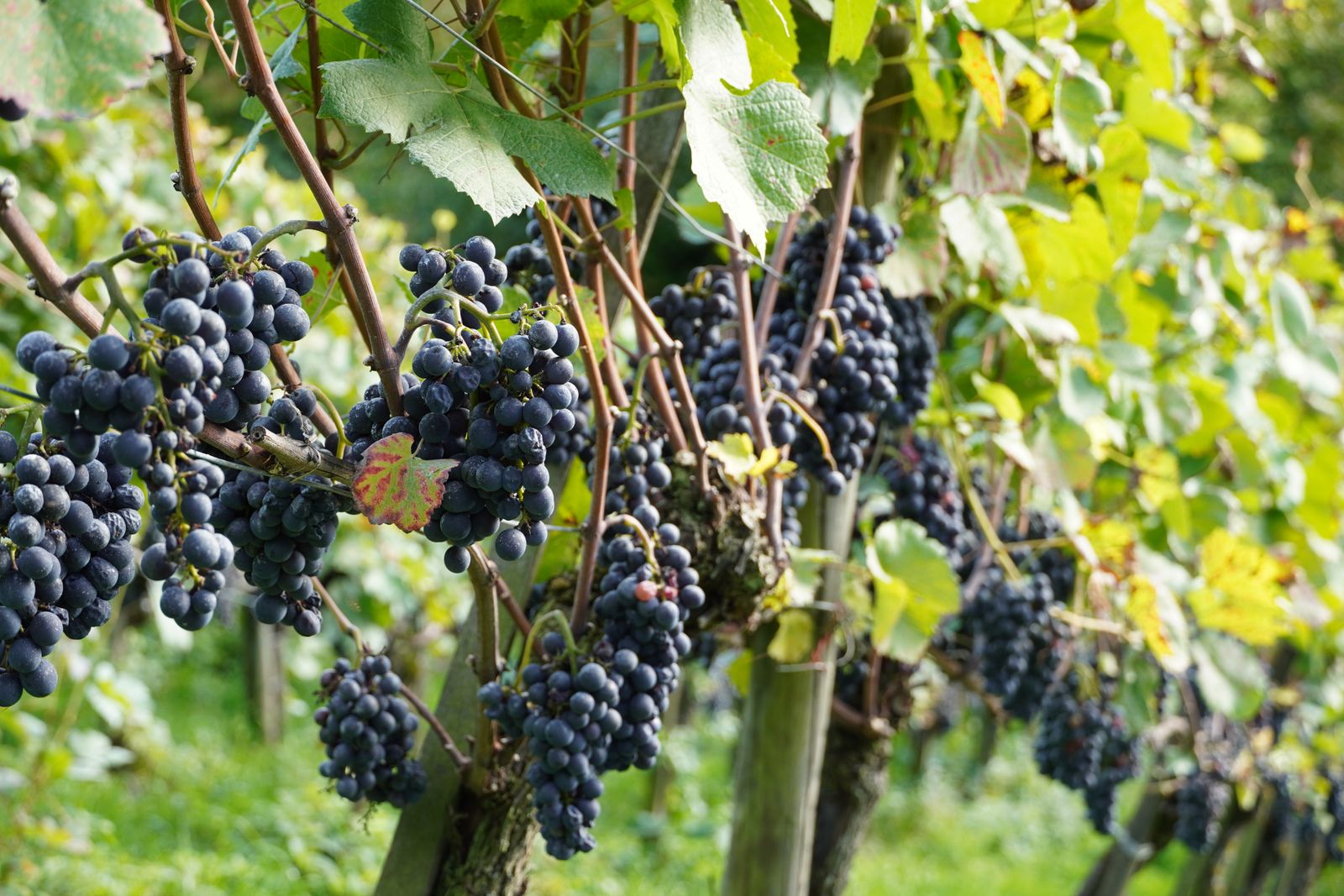
Beyond Tempranillo: Rioja's 4 Other Red Grapes, Decoded for 2026
Rioja is legally allowed five red grapes. Almost every American wine list pours exactly one. Meet the other four, and the one that handles hot vintages best.
Rioja is legally allowed five red grapes. Walk almost any American wine aisle and you will taste exactly one of them.
Tempranillo accounts for roughly 88% of Rioja's red plantings, and it has earned that dominance. But the other four, Garnacha, Graciano, Mazuelo and Maturana Tinta, are where the region's most interesting bottles are hiding in 2026. They are also, quietly, the grapes best equipped for the way the region's climate is actually behaving.
Key Takeaways
- DOCa Rioja authorizes five red varieties, not one. Tempranillo is about 88% of red plantings; Graciano sits near 2.5% and Mazuelo near 2%.
- Graciano is the one to know. High acidity, deep color, violet and herb aromatics, and peer-reviewed evidence that it handles warm vintages better than Tempranillo.
- Graciano is not Grenache. Grenache is Garnacha. Graciano is a separate variety that happens to be a genetic parent of Carignan.
- For buyers, these grapes are the cheapest way to add a genuinely new pour to a Spanish section that already has three Tempranillos on it.
- Manzanos Wines USA holds these wines in stock in the U.S., ready to ship to all 50 states.
The five grapes of Rioja, by the numbers
The Consejo Regulador of DOCa Rioja permits five red varieties and nine whites. On the red side the split is lopsided:
- Tempranillo, roughly 88% of red plantings. The backbone of nearly every Crianza, Reserva and Gran Reserva you have tasted.
- Garnacha, roughly 7%. Body, red fruit and warmth, especially strong in Rioja Oriental and across the border in Navarra.
- Graciano, roughly 2.5%, about 1,400 hectares. The aromatic, high-acid specialist.
- Mazuelo, roughly 2%. Known elsewhere as Carignan or Cariñena. Tannin, color and structure for long aging.
- Maturana Tinta, well under 1%. Rioja's rediscovered antique, documented in the region since the 1600s.
Put differently: four grapes share about 12% of the vineyard between them. That scarcity is exactly why a single-varietal bottling from any of them still surprises a guest who thinks they already know Rioja.
What kind of wine is Graciano?
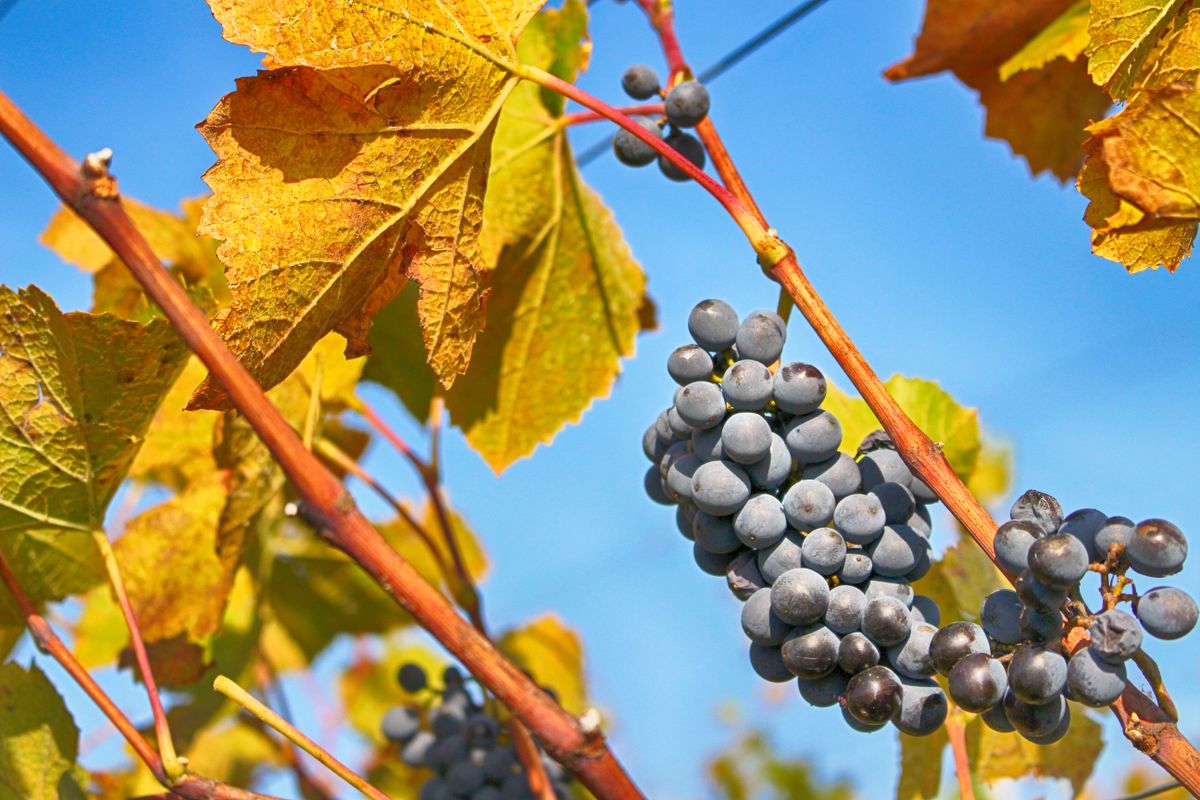
Graciano is a black-skinned Spanish red grown principally in Rioja and Navarra. It ripens late, yields very little, and produces a wine that is deeply colored, firmly tannic and unusually high in natural acidity.
The aromatic signature is the giveaway. Where Tempranillo leans toward red cherry, leather and vanilla from oak, Graciano pushes violets, black fruit, dried herbs, black pepper and a graphite edge. It smells like a cool-climate wine grown in a warm place, which is more or less what it is.
That low yield is the whole story of its near-disappearance. Through the 20th century, growers paid by the ton had every reason to pull Graciano out and plant Tempranillo instead. It survived mostly as a blending component, added in small percentages to give a Reserva its lift and its aging spine. Only in the last two decades have producers started bottling it on its own.
Our own Voché Graciano Rioja is exactly that style of bottling, and it scored 95 points from Decanter, which tells you what the variety can do when it is treated as a headline act rather than a seasoning.
What is Graciano wine similar to?
The comparison sommeliers reach for most often is Northern Rhône Syrah, and it is a fair one. Both share the peppery, violet-and-olive aromatic register, both carry serious acidity, and both age on structure rather than on fruit.
Other useful reference points, depending on the bottling:
- Mourvèdre, for the savory, meaty, herb-scrubbed side.
- Nebbiolo, for the combination of high acid, real tannin and floral top notes. Our Piedmont growers at Duchessa Lia make the point from the Italian direction.
- Cabernet Franc, for the green-herb lift that reads as freshness rather than underripeness.
What Graciano is not similar to is Grenache, despite the recurring confusion.
Is Graciano the same as Grenache?
No. Grenache is Garnacha, a different grape entirely. The names simply look alike in English. Graciano travels under its own set of aliases: Morrastel in France, Tinta Miúda in Portugal, Cagnulari in Sardinia, Tintilla de Rota in Andalusia, and, charmingly for us, Graciano de Haro in Rioja itself. DNA profiling has established that Graciano is a genetic parent of Carignan, which makes it an ancestor of one of the other four grapes on this list.
Mazuelo, Garnacha and Maturana Tinta: the supporting cast
Mazuelo is Carignan under a Rioja passport. It brings hard tannin, deep color and searing acidity, which is why it has historically gone into wines built for a decade in bottle. On its own it needs old vines and low yields to avoid austerity. In a blend it is the reason a classic Gran Reserva can still be alive at twenty years.
Garnacha is the warm heart of the region, and it is having a broader moment. Old-vine Garnacha delivers generous red fruit, a rounder texture and lower tannin than Tempranillo, which makes it the friendliest of the five for a guest who says they want "something smooth." Navarra, just east of Rioja, has always been Garnacha country, and our Las Campanas and Castillo de Olite wines come from that tradition.
Maturana Tinta is the specialist's pick. Officially readmitted to the DOCa in 2007 after nearly vanishing, it is documented in Rioja as far back as the 1600s. Production is tiny and allocations are small, but it is the kind of listing that signals a wine program is paying attention.
Why the "other" grapes matter more every year
This is where the story stops being trivia and starts being a planting decision.
Peer-reviewed work published in OENO One compared grape composition across Rioja vintages and sites, and found Graciano more resilient than Tempranillo under a warming scenario. Subsequent research into the variety's intra-varietal diversity has framed it explicitly as a minority cultivar with adaptive capacity to climate change.
The mechanism is straightforward. Warm vintages push sugar up and acid down, which is how you end up with a high-alcohol red that tastes flat. Graciano ripens late and holds its natural acidity, so it arrives at the winery with the freshness that a hot year strips out of everything else. Growers who once pulled it out for yield are now replanting it for balance.
Mazuelo benefits from the same logic. A grape that used to be criticized as too acidic and too tannic looks rather different when the problem you are solving is wines that finish soft and short.
How to pour them
For consumers, these are food wines first. A few pairings that consistently work:
- Graciano with lamb chops, grilled octopus, smoked paprika dishes, aged Manchego, or anything off a charcoal grill. The acidity cuts fat the way a squeeze of lemon does.
- Mazuelo-heavy blends with braised short rib, oxtail, or a hard cheese board.
- Garnacha with roast chicken, chorizo, tomato-based dishes and Thanksgiving turkey. It is the most forgiving red on any holiday table.
Serving temperature is the single easiest upgrade. Serve Graciano at about 60 to 64°F, cooler than room temperature. Served warm, the alcohol dominates and the violet aromatics collapse. Twenty minutes in the refrigerator before opening does more for the wine than an hour of decanting.
For the trade, the argument is different. Most American Spanish sections in 2026 are three Tempranillos and an Albariño. Adding a Graciano by the glass costs you nothing in list real estate and gives your staff an actual story to tell, which is precisely what the guests driving by-the-glass exploration are looking for. It also differentiates you from the restaurant down the street pouring the same four bottles.
Manzanos Wines USA carries more than 600 wines rated 90 points or higher, topping out at 98, including the Decanter Platinum 97-point Manzanos 125 Aniversario. On the classic Tempranillo side, Manzanos Gran Reserva Rioja 2015 earned 95 points from Wine Enthusiast and Manzanos Reserva Rioja 2018 earned 93. If you want the whole picture of the region, though, start with the grapes nobody else on your street is pouring.
Frequently Asked Questions
What kind of wine is Graciano?
Graciano is a Spanish red wine grape grown mainly in Rioja and Navarra. It makes a deeply colored, firmly tannic red with high natural acidity and aromas of violets, black fruit, dried herbs and pepper. It is late-ripening and low-yielding, which is why it is planted on only about 2.5% of Rioja's red vineyard.
What is Graciano wine similar to?
Most tasters find it closest to Northern Rhône Syrah, with the same peppery, floral and savory profile plus firm acidity. Mourvèdre and Nebbiolo are also useful comparisons. It is noticeably fresher and more structured than a typical Tempranillo-based Rioja.
Is Graciano the same as Grenache?
No. Grenache is the French name for Garnacha, a completely separate variety. Graciano is its own grape, known as Morrastel in France and Tinta Miúda in Portugal. DNA analysis shows Graciano is actually a parent of Carignan, the grape Rioja calls Mazuelo.
What are the main Rioja grapes?
DOCa Rioja authorizes five red varieties, Tempranillo, Garnacha, Graciano, Mazuelo and Maturana Tinta, along with nine white varieties led by Viura. Tempranillo makes up roughly 88% of red plantings, so the other four are comparatively rare and worth seeking out.
Does Graciano age well?
Yes. Its combination of high acidity and firm tannin is exactly the structure that rewards cellaring, which is why it was historically blended into Reserva and Gran Reserva wines to extend their life. Good single-varietal bottlings typically drink well for a decade or more.
Find these wines, or pour them
If you are drinking: our Spanish portfolio is on shelves at retailers including Costco, Total Wine & More, Albertsons, Spec's, BevMo!, Binny's, Hy-Vee, Rouses, Sedano's, Lunds & Byerlys and Haskell's. Use Find Our Wines to locate a bottle near you, or browse the full range of our wines.
If you are buying: we are a Miami-based importer shipping to all 50 states through our distributor network, with inventory held in the U.S. so you are not waiting on a container. If you want Graciano, old-vine Garnacha or a Mazuelo-driven Gran Reserva on your list this quarter, talk to us about becoming a partner.
New to the region? Start with our guides to Tempranillo and the four levels of Rioja aging, then come back for the other four grapes.
Manzanos Wines USA is the premier importer of premium wines from Spain, Italy, Chile, South Africa, and France, serving all 50 US states through our nationwide distributor network. Learn more at manzanoswinesusa.com.
Please enjoy responsibly. Must be 21+.
Manzanos Wines USA is a Spanish wine importer in the United States: Rioja and Navarra wines from our own family wineries, in stock in the U.S. and ready to ship to all 50 states.
Discover Our Wines
Explore the full Manzanos Wines USA portfolio — premium wines from Spain, Italy, Chile, France, and South Africa, delivered to distributors and restaurants across America.
Explore Our Wines