
5 Reasons Chilean Carménère Belongs on Every 2026 US Wine List
It was a lost Bordeaux grape hiding in Chile for 150 years. Now Carménère is 2026's smartest value red, and buyers are paying attention.
For 150 years, one of the world's great red grapes was hiding in plain sight. Chilean growers thought they were tending Merlot. Then a 1994 DNA test in the Maule Valley proved the vines were actually Carménère, the lost sixth grape of Bordeaux, presumed extinct in France after phylloxera. Chile didn't just have a curiosity on its hands. It had a signature.
Three decades later, that story is doing real work on US wine lists. As American drinkers trade up in quality but hunt harder for value, Chile's flagship red is landing in the sweet spot buyers care about most. Here are five reasons Carménère deserves a by-the-glass slot in 2026, plus the pairings and answers your guests are already searching for.
Key Takeaways
- Carménère is Chile's signature red and one of the six classic Bordeaux varieties, rediscovered by DNA testing in 1994.
- Chile is a tariff-advantaged, value-driven origin, projecting a 12% jump in wine-grape production for 2026.
- Chilean exports to the US are premiumizing: average price per case rose 3.6% year over year, and the $40 to $50 per-case tier grew nearly 40%.
- It is a grill-and-barbecue magnet, built for smoked meats, ribs, lamb, and peppery, herb-driven dishes.
- Our Cremaschi Furlotti range brings estate Maule Valley Carménère, Cabernet, and whites to all 50 states.
1. The backstory sells itself
Wine lists live and die on stories, and few beat this one. Carménère was one of Bordeaux's original red grapes until vineyard disease wiped it out in the 1800s. Cuttings shipped to Chile before the blight survived, mislabeled as Merlot, until French ampelographer Jean-Michel Boursiquot confirmed the truth in 1994. Chile is now the grape's true home, growing more of it than anywhere on earth. That is a two-sentence pour that turns a hesitant guest into a curious one, and curiosity moves bottles.
It helps that the wine in the glass backs up the tale. Expect deep ruby color, aromas of black plum, blackberry, and dark chocolate, and that unmistakable Carménère signature of green peppercorn, bell pepper, and smoky spice. Riper, warm-vintage bottlings lean toward mocha and cassis, while cooler sites keep the herbal, savory edge that makes the grape so distinctive. Tannins are supple rather than grippy, so the wine drinks well young without demanding a decade in the cellar.
2. It hits the value sweet spot buyers want in 2026
The economics are lining up. OhBev and other trade forecasters expect US wine volumes to stay flat in 2026 while market value climbs 2 to 4 percent, driven almost entirely by premiumization rather than more bottles sold. In a US wine market estimated at roughly $82 billion for the year, buyers are chasing wines that overdeliver on quality per dollar.
Chile is purpose-built for that brief. As a tariff-advantaged origin, it offers better relative value than many European peers in the same style, and Carménère has quietly won shelf space in the $10 to $20 retail sweet spot. Yet the category is trading up, not down: Chilean exports to the US are premiumizing, with average price per case rising 3.6% year over year and the $40 to $50 per-case tier growing nearly 40%. A projected 12% increase in Chilean wine-grape production for 2026 means supply and consistency to match the demand.

3. Few reds pair with the American table this easily
Carménère is a sommelier's shortcut. Its ripe black plum and blackberry fruit, gentle tannins, and signature note of green peppercorn and smoky spice make it one of the most food-friendly reds on the market. If your kitchen touches a grill or a smoker, this wine has a job to do.
- Grilled and smoked meats: ribeye, skirt steak, and full South American-style asado
- Barbecue: ribs, pulled pork, and anything with a smoky, peppery rub
- Lamb and pork: rack of lamb, chops, and slow-roasted shoulder
- Roasted vegetables and rustic dishes: lamb ragout, stuffed peppers, and eggplant
- Aged cheeses and, yes, a peppery pizza
The tell: Carménère's herbal, peppery streak mirrors char and spice instead of fighting it, which is why it flatters grilled food better than a bigger, more tannic Cabernet.
4. It reaches the drinkers restaurants need next
Chile's wine industry is openly courting younger drinkers through sustainability, wine tourism, and social media, shaking off the old cheap-and-cheerful image in favor of a premium story. That aligns neatly with what US on-premise operators need: an approachable, well-priced, conversation-starting red that lands with millennial and Gen Z guests who want discovery without the markup. Carménère is distinctive enough to feel like a find and gentle enough to please a table that can't agree on a bottle.
5. Our Cremaschi Furlotti range makes it easy to source
Great story, wrong logistics, and the opportunity evaporates. That is where we come in. Our portfolio includes Cremaschi Furlotti, an estate producer rooted in Chile's Maule Valley, one of the country's oldest and most characterful winegrowing regions for Carménère. The range spans Carménère, Cabernet Sauvignon, Chardonnay, Sauvignon Blanc, and Pinot Noir, giving a wine list a coherent Chilean flight from a single source.
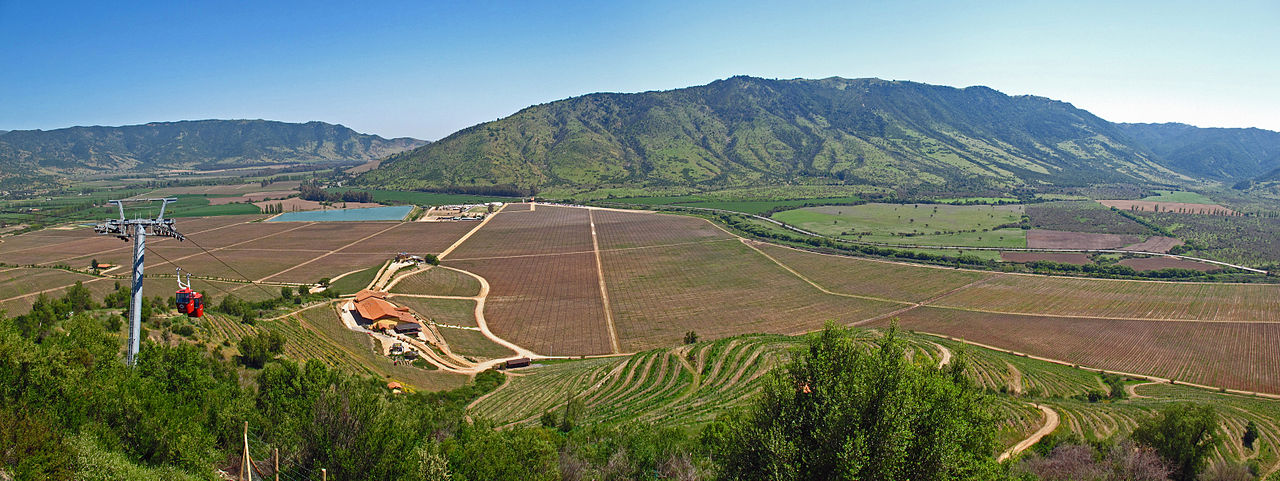
The Maule Valley matters here. It is one of Chile's oldest wine regions, with old vines, a warm Mediterranean climate, and cooling influences that give Carménère time to ripen fully while holding onto its savory, structured backbone. That combination is exactly what separates a serious bottle from a simple one.
As a Miami-based importer serving all 50 states through a nationwide distributor network, we handle the compliance, freight, and cold chain so retailers and restaurants can focus on selling the story, not chasing a container. Whether you are a consumer looking to pour it at home or a buyer building a by-the-glass program, the path to a bottle is short.
Frequently Asked Questions
Is Carménère similar to Pinot Noir?
Not really. Pinot Noir is light-bodied, delicate, and high in acidity with red-fruit character. Carménère is a medium- to full-bodied red with darker black-fruit flavors, softer tannins, and a distinctive green-pepper and spice note. It sits much closer to Merlot and Cabernet Sauvignon, its Bordeaux relatives, than to Pinot Noir.
Is Carménère wine sweet or dry?
Carménère is a dry red wine. Its ripe black-fruit flavors can give an impression of sweetness on the nose, but there is little to no residual sugar in the glass. Expect a smooth, dry finish framed by soft tannins and a peppery, herbal edge.
How should I serve Carménère?
Serve Carménère slightly below room temperature, around 60 to 65°F, to keep it fresh rather than flabby. A short 30-minute decant helps riper, oak-aged bottlings open up and softens the tannins. Use a standard large-bowl red-wine glass to let the black fruit and spice express themselves.
Does Carménère pair with pizza?
Yes. Carménère's soft tannins and juicy fruit handle tomato-based sauce well, and its peppery, smoky notes love pepperoni, sausage, roasted peppers, and grilled-vegetable pizzas. It is one of the more pizza-friendly reds you can list.
The bottom line for 2026
Carménère brings something rare: a genuine story, a premium trajectory, standout food versatility, and a price point that still respects the check. In a year when value and quality are the whole game, it is one of the smartest reds a US wine program can add.
For consumers: find our wines near you and pour Chile's signature red at your next cookout. For the trade: retailers, restaurants, and distributors can source Cremaschi Furlotti through us and build a Chilean program that sells.
Manzanos Wines USA is the premier importer of premium wines from Spain, Italy, Chile, South Africa, and France, serving all 50 US states through our nationwide distributor network. Learn more at manzanoswinesusa.com.
Manzanos Wines USA is a Spanish wine importer in the United States: Rioja and Navarra wines from our own family wineries, in stock in the U.S. and ready to ship to all 50 states.
Wines featured in this story

Discover Our Wines
Explore the full Manzanos Wines USA portfolio — premium wines from Spain, Italy, Chile, France, and South Africa, delivered to distributors and restaurants across America.
Explore Our Wines