
6 Reasons Chilean Carménère Belongs on Your 2026 Wine List
US wine volumes are flat in 2026 — yet Chile keeps getting called a bright spot. The reason has a name: Carménère, the lost Bordeaux grape Chile made its own.
Most of the US wine business is treading water in 2026. Industry forecasters expect overall American wine volumes to stay flat this year, with value rising just 2–4% as drinkers trade up rather than drink more. Against that backdrop, one origin keeps getting singled out as a genuine bright spot: Chile — and specifically the $10–$20 bottles that are finally gaining traction with US buyers who built their reputation on $7 supermarket reds.
At the center of Chile's rise is a grape the rest of the world spent a century misreading. Here are six reasons Chilean Carménère — led by old-vine specialists like Cremaschi Furlotti from the Maule Valley — deserves a permanent spot on your 2026 list.
Key Takeaways
- Chile is a 2026 bright spot in a flat US market, with $10–$20 bottles gaining real traction.
- Carménère is Chile's signature grape — a "lost" Bordeaux variety rediscovered in Chilean vineyards in 1994.
- The Maule Valley is one of Chile's oldest, warmest regions and the home of Cremaschi Furlotti.
- It overdelivers on price: premium-tasting reds at a value-tier cost — exactly what trading-up consumers want.
- It pairs like a dream with grilled and roasted meats, making it an easy on-premise sell.
1. Chile Is Winning the Trade-Up Moment
The 2026 US story is premiumization, not growth. People are buying fewer bottles but spending a little more on each one. That dynamic is brutal for cheap, faceless brands — and ideal for a country that can deliver real character in the $12–$20 range. Trade analysts have repeatedly flagged Chile as a category on the move, with mid-priced bottles winning shelf and list placements that used to default to other origins. The broader Chilean wine market is projected to grow at roughly a 4.4% compound annual rate through 2035, and the US is a primary engine of that expansion.
2. What Do Carménère Grapes Taste Like?
Carménère is plush, savory, and unmistakable. Expect ripe dark fruit — blackberry, black plum, cassis — wrapped around a signature streak of green peppercorn, bell pepper, and dried herbs, with soft tannins and a smoky, gently spiced finish. It drinks rounder and friendlier than Cabernet Sauvignon, which is exactly why it converts skeptics at the table.
That herbal-savory edge is a feature, not a flaw: it's what makes Carménère so food-flexible and so recognizably Chilean.
3. The "Lost Grape" Backstory Sells Itself
Carménère was one of the great red grapes of Bordeaux until phylloxera nearly wiped it out in the 1800s. For more than a century, Chilean growers cultivated it believing it was Merlot. Only in 1994 did ampelographers confirm that a huge share of Chile's "Merlot" was actually the long-lost Carménère. More than thirty years after that rediscovery, it has become a true symbol of origin and identity — and a premium calling card for Chilean wine. For a sommelier or retailer, that's a story that practically pours itself.

What Food Pairs Well With Chilean Wine?
This is where Chile becomes an easy on-premise sell. Carménère's dark fruit and smoky-savory spine were built for fire and char:
- Carménère → Chilean asado, grilled ribeye, lamb chops, short ribs, smoky barbecue, and aged hard cheeses.
- Cabernet Sauvignon → roasted and braised red meats, peppercorn steak, mushroom dishes.
- Sauvignon Blanc → ceviche, oysters, goat cheese, fresh herbs and citrus.
- Chardonnay → roast chicken, creamy pastas, grilled corn, and richer fish.
- Pinot Noir → salmon, duck, charcuterie, and mushroom risotto.
The shortcut for a wine list: if it touched a grill, pour Chilean red; if it came from the sea, pour a Chilean white.
What Is the Maule Valley Wine of Chile?
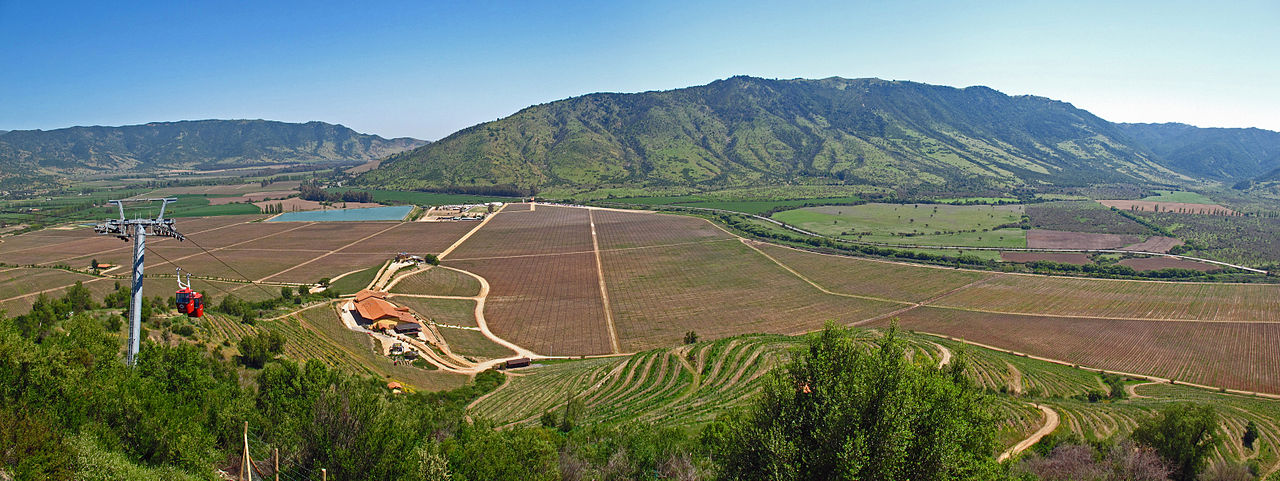
The Maule Valley, in Chile's Central Valley south of Santiago, is one of the country's oldest and largest wine regions. Its warm days, cool nights, and deep reserves of old, dry-farmed vines make it a powerhouse for structured, characterful reds — Carménère and Cabernet Sauvignon above all. This is the heartland of Cremaschi Furlotti, the family estate in our portfolio whose Maule fruit shows exactly why the region is having a moment: depth and ripeness without heaviness, at a price that still makes sense by the glass.
Explore the full range on our wines page — the Cremaschi Furlotti lineup spans Carménère, Cabernet Sauvignon, Pinot Noir, Chardonnay, and Sauvignon Blanc.
Is Carménère a Good Wine?
Yes — and increasingly a serious one. Carménère has moved well beyond the bargain bin into a genuine premium category, prized for its singular flavor and its role as Chile's signature variety. Well-made examples from old-vine regions like Maule offer the kind of complexity drinkers expect from far pricier bottles, which is precisely why it fits the 2026 trade-up consumer so well.
5. It's a Margin-Friendly By-the-Glass Hero
For restaurants and wine bars, the math is the appeal. A Carménère that tastes premium but lands at a value-tier wholesale cost protects your pour margin while still wowing the guest. It's approachable enough for a casual diner and distinctive enough for an enthusiast — a rare combination that keeps a by-the-glass slot productive all year.
6. The Whole Chilean Toolkit Travels With It
Carménère is the headline, but Chile's range is what makes it a complete portfolio play. Cool-coastal Sauvignon Blanc, balanced Chardonnay, and food-friendly Pinot Noir round out a single-origin offering that covers every section of a wine list — ideal for retailers and distributors who want breadth without juggling a dozen suppliers.
Frequently Asked Questions
What food pairs well with Chilean wine?
Chilean reds like Carménère and Cabernet Sauvignon are made for grilled and roasted meats — think Chilean asado, steak, lamb, and smoky barbecue. Chilean whites such as Sauvignon Blanc and Chardonnay shine with ceviche, shellfish, roast chicken, and creamy dishes. The simple rule: grilled food calls for Chilean red, seafood calls for Chilean white.
What do Carménère grapes taste like?
Carménère offers ripe dark fruit — blackberry and black plum — alongside a signature savory note of green peppercorn, bell pepper, and dried herbs. Tannins are soft and the finish is smoky and gently spiced, making it rounder and more approachable than Cabernet Sauvignon.
What is the Maule Valley wine of Chile?
The Maule Valley is one of Chile's oldest and warmest wine regions, located in the southern Central Valley. It's known for old, dry-farmed vines and structured red wines — especially Carménère and Cabernet Sauvignon — and is home to producers like Cremaschi Furlotti.
Is Carménère a good wine?
Absolutely. Once mistaken for Merlot, Carménère is now celebrated as Chile's signature grape and has earned a premium reputation. Old-vine bottlings deliver real complexity and food versatility at prices that consistently overdeliver.
Bring Chile's Bright Spot to Your Shelf or List
Consumers: ready to taste what the trade is buzzing about? Find our wines near you and start with a Maule Valley Carménère alongside your next steak night.
Trade — distributors, retailers, and restaurants: Chilean wine is winning the trade-up moment, and Cremaschi Furlotti gives you premium character at a by-the-glass price. Partner with us to become a distributor and add a complete Chilean range to your book.
Manzanos Wines USA is the premier importer of premium wines from Spain, Italy, Chile, South Africa, and France, serving all 50 US states through our nationwide distributor network. Learn more at manzanoswinesusa.com.
Manzanos Wines USA is a Spanish wine importer in the United States: Rioja and Navarra wines from our own family wineries, in stock in the U.S. and ready to ship to all 50 states.
Wines featured in this story

Discover Our Wines
Explore the full Manzanos Wines USA portfolio — premium wines from Spain, Italy, Chile, France, and South Africa, delivered to distributors and restaurants across America.
Explore Our Wines