

5 Reasons Chilean Carmenere Is the Smart 2026 Wine List Pick
Chilean wine exports dipped in 2026, but value reds surged. Here's why Carmenere from the Maule Valley is the smartest pour on any US wine list.
Chilean wine exports fell 15.1% year-on-year this April, yet one corner of the US market kept climbing: bottles that overdeliver on quality for the money. That is not a coincidence. As American drinkers trade down in price without trading down in expectation, Chile's signature grape, Carmenere, has quietly become one of the most compelling values a restaurant, retailer, or distributor can put in front of a buyer in 2026.
Chile is the world's fourth-largest wine exporter, with roughly 70% of its production shipped abroad, according to Wines of Chile. Behind that scale sits a quality revolution, and few wines tell that story better than a well-made Carmenere from the Maule Valley. Here is why it belongs on your list.
Key Takeaways
- Value is winning. With US buyers focused on the $10 to $20 tier, Chilean Carmenere delivers structure and complexity that punches well above its price.
- Carmenere is Chile's calling card. The "lost grape of Bordeaux" now thrives in Chile better than anywhere on earth.
- Sustainability sells. Around 80% of Chile's exported wine is certified sustainable, a growing purchase driver for US on-premise programs.
- It pairs like a dream. Ripe, smooth, and savory, Carmenere flatters grilled meats, peppers, and spice far better than most reds at its price.
- Cremaschi Furlotti is a ready-made pour. A Maule Valley estate portfolio built for US wine lists.
What Kind of Wine Is a Carmenere?
Carmenere is a deep, medium- to full-bodied red grape that originated in Bordeaux, where it was one of the six permitted varieties before phylloxera nearly wiped it out in the 19th century. Cuttings had already traveled to Chile, where growers spent more than a century mistaking it for Merlot. In 1994 it was finally identified as Carmenere, and Chile became its adopted home.
In the glass, expect a garnet-to-ruby color and a savory profile: ripe black and red fruit, clove and black pepper, tamarind, and a signature herbal or green-pepper note when the fruit is picked early. Done with restraint on warm sites like the Maule Valley, the herbal edge softens into chocolate, tobacco, and integrated tannin. That is exactly the style our Cremaschi Furlotti Carmenere aims for.
Is Chilean Carmenere Good?
Short answer: yes, and increasingly so. Chile's wine industry has spent two decades moving from bulk to bottle. The country's average export tells only part of the story; the real momentum is at the quality end. Even as headline export volumes softened in 2026, the value-plus segment US buyers care about has kept its footing, precisely where thoughtfully made Carmenere lives.
Sustainability is a big part of the appeal. Roughly 80% of the wine Chile exports is now certified sustainable, alongside lighter bottles and cleaner farming. For US restaurant groups and retail chains building responsible-sourcing stories, that certification is a real differentiator, not a footnote.
Geography helps too. Chile is one of the most naturally protected wine countries on earth, hemmed by the Andes to the east, the Pacific to the west, and the Atacama Desert to the north. That isolation keeps vineyards remarkably healthy and lets growers farm with a lighter touch. In the Maule Valley specifically, warm days and cool nights ripen Carmenere fully while preserving freshness, the exact balance that turns a good grape into a wine buyers reorder.
Is Carmenere Similar to Pinot Noir?
Not really, and understanding the difference helps you sell it. Pinot Noir is light-bodied, high-acid, and delicate, all red cherry and forest floor. Carmenere is darker, rounder, and more savory, with softer acidity and riper tannin. If a guest loves Merlot, Malbec, or a plush Cabernet, Carmenere is the smarter cross-sell than Pinot. That said, a cooler-climate Chilean Pinot Noir, like the one in the Cremaschi Furlotti range, gives a list breadth without leaving the same trusted estate.
The Best Carmenere Comes From Chile, and From Maule
The Maule Valley is one of Chile's oldest and most exciting regions, home to old vines, a warm-but-moderated climate, and a new generation of quality-focused producers. It is the heart of the "top to bottom" quality revolution that has redrawn Chile's reputation.
Cremaschi Furlotti farms here, and the portfolio is built for the US trade:
- Carmenere, Chile's signature grape done with restraint: ripe red berry, clove, tamarind, a whisper of mint and chocolate, with integrated tannin.
- Cabernet Sauvignon, deep garnet, ripe black fruit, cedar and vanilla, velvety tannins in the Gran Reserva tier.
- Pinot Noir, red berries, cherry, subtle florals and spice; dry and food-friendly.
- Chardonnay & Sauvignon Blanc, the Sauvignon is bright and piercing, with white nectarine and kiwi, an easy by-the-glass white.
Together they let a buyer build a full Chilean flight from one estate, a practical advantage when you are managing SKUs and a single point of supply.
How to Pair and Sell Chilean Carmenere
Carmenere's ripe fruit, gentle spice, and moderate tannin make it one of the most versatile reds on any list. Steer guests toward:
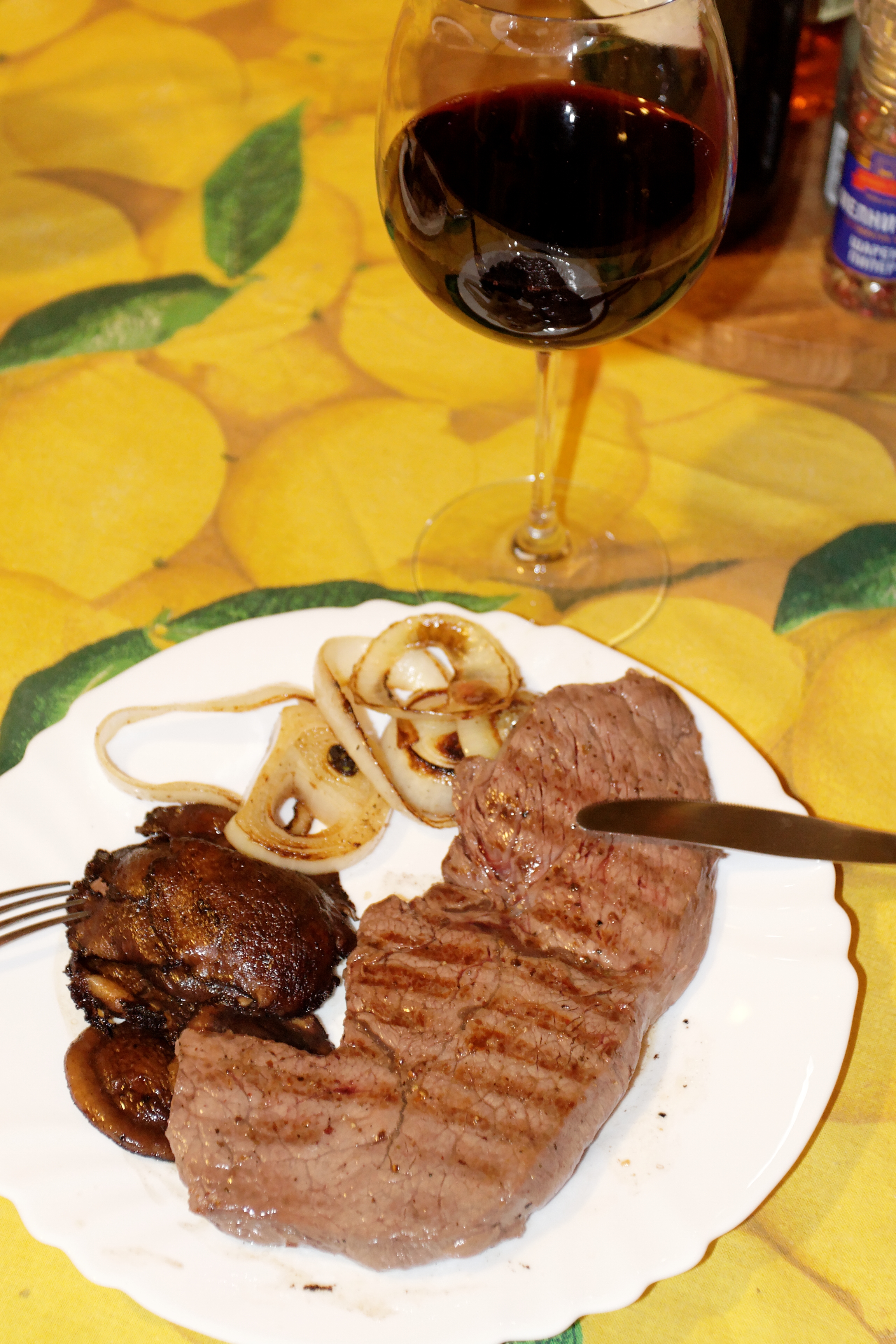
- Grilled and smoked meats, skirt steak, short rib, barbecue, chorizo.
- Peppers and mild spice, the grape's savory edge loves roasted red peppers, fajitas, and lightly spiced dishes.
- Hard cheeses and mushroom dishes, earthy, umami-rich plates echo its tobacco and cocoa notes.
For on-premise programs, that flexibility is gold: one pour that works across the menu, at a price that protects your margin. For retailers, it is the bottle you hand a shopper who loved Malbec and wants to try something new for the same money.
Frequently Asked Questions
What kind of wine is a Carmenere?
Carmenere is a dry, medium- to full-bodied red grape originally from Bordeaux that now thrives in Chile. It shows ripe dark fruit, black pepper, herbs, and a smooth, plush texture, with softer tannins than Cabernet Sauvignon.
Is Chilean Carmenere good?
Yes. Chile is the grape's spiritual home, and quality has risen sharply over the past two decades. Warm regions like the Maule Valley tame Carmenere's green edge and deliver ripe, balanced wines that offer excellent value in the $10 to $20 range that US buyers favor.
What is the best Carmenere wine in Chile?
There is no single answer, but the best examples come from established quality regions such as Maule, Colchagua, and Cachapoal. Look for producers with estate vineyards and a track record, like Cremaschi Furlotti in the Maule Valley, whose Carmenere balances ripe fruit with savory spice and integrated tannin.
Is Carmenere similar to Pinot Noir?
No. Pinot Noir is light, high in acidity, and delicate. Carmenere is darker, rounder, and more savory with softer acidity. Carmenere is a better recommendation for fans of Merlot, Malbec, or medium-bodied Cabernet than for dedicated Pinot Noir drinkers.
Put Chilean Carmenere to Work in 2026
The 2026 US market rewards wines that overdeliver, and few categories do it as convincingly as Chilean Carmenere. Whether you are refreshing a by-the-glass list, building a value red program, or simply looking for a bottle that surprises, this is the moment.
Consumers: discover where to buy our Chilean wines near you at find our wines. Trade buyers, distributors, retailers, and restaurants: source Cremaschi Furlotti and our full portfolio through our nationwide network. Become a distributor or reach out to add these wines to your program.
Manzanos Wines USA is the premier importer of premium wines from Spain, Italy, Chile, South Africa, and France, serving all 50 US states through our nationwide distributor network. Learn more at manzanoswinesusa.com.
Manzanos Wines USA is a Spanish wine importer in the United States: Rioja and Navarra wines from our own family wineries, in stock in the U.S. and ready to ship to all 50 states.
Wines featured in this story

Discover Our Wines
Explore the full Manzanos Wines USA portfolio — premium wines from Spain, Italy, Chile, France, and South Africa, delivered to distributors and restaurants across America.
Explore Our Wines