
Why Chilean Carménère Is the Smartest Red to List in 2026
Chile is the rare bright spot in a flat US wine market. Here is why Cremaschi Furlotti's Carménère earns its place on every list and table in 2026.
Here is a number that should stop every US wine buyer mid-order: while much of the market sits flat and European imports get repriced by tariffs, Chile is projecting a 12% increase in wine-grape production for 2026 and is quietly winning shelf space in the $10-$20 sweet spot where American drinkers actually shop. The country long dismissed as "cheap and cheerful" is now producing terroir-driven wines that critics rank among the world's best. And its calling card is a grape almost nobody else grows well: Carménère.
Key Takeaways
- Chile is a 2026 bright spot in a flat US market, with quality $10-$20 bottles gaining real traction.
- Carménère is Chile's signature grape, a "lost" Bordeaux variety that now thrives almost only here.
- Cremaschi Furlotti's Maule Valley wines deliver ripe, food-friendly reds built for American tables.
- Its soft tannins and juicy fruit make Carménère one of the most versatile pairing reds on any list.
What Kind of Wine Is Carménère?
Carménère is a red grape with a genuinely great backstory. It was one of the six original red grapes of Bordeaux, then all but vanished from France after the phylloxera crisis of the 1800s. Cuttings that had traveled to Chile were mislabeled and grown as Merlot for over a century, until DNA testing in 1994 revealed the truth: Chile had been quietly cultivating a "lost" Bordeaux variety the rest of the world had given up for dead.
Today Chile is Carménère's global home. In the ripe, sun-drenched valleys south of Santiago, the grape reaches a level of concentration it never achieved in cooler Bordeaux. Expect deep ruby color, ripe black-fruit flavors, a signature note of green peppercorn and bell pepper, gentle tannins, and a smooth, plush finish. It is unmistakably dry, medium to full-bodied, and immediately approachable, which is exactly why it converts so many new drinkers.
Why Chile Is the 2026 Bright Spot for US Wine Lists
The math is doing the selling this year. As European bottles face tariff-driven price shifts, Chilean wine offers something increasingly rare: serious quality at a price American consumers will still say yes to. The reporting from the buying desks is consistent, with Chile flagged as a rare growth story in an otherwise flat market and $10-$20 bottles gaining real cut-through.
At the same time, Chile is deliberately shedding its bargain-bin reputation. Producers are courting younger drinkers with sustainable farming, wine tourism, and social media, and top Chilean winemakers now rank among the world's best. The image is shifting from "affordable value" to "world-class, terroir-driven" reds that rival the Old World, without the Old-World price tag.
For the trade, that combination is a gift: a category that offers margin, a story, and a taste that a Cabernet drinker instantly understands. For consumers, it means one of the best value-to-quality ratios in the wine aisle right now.
Meet Cremaschi Furlotti, Our Chilean Flagship
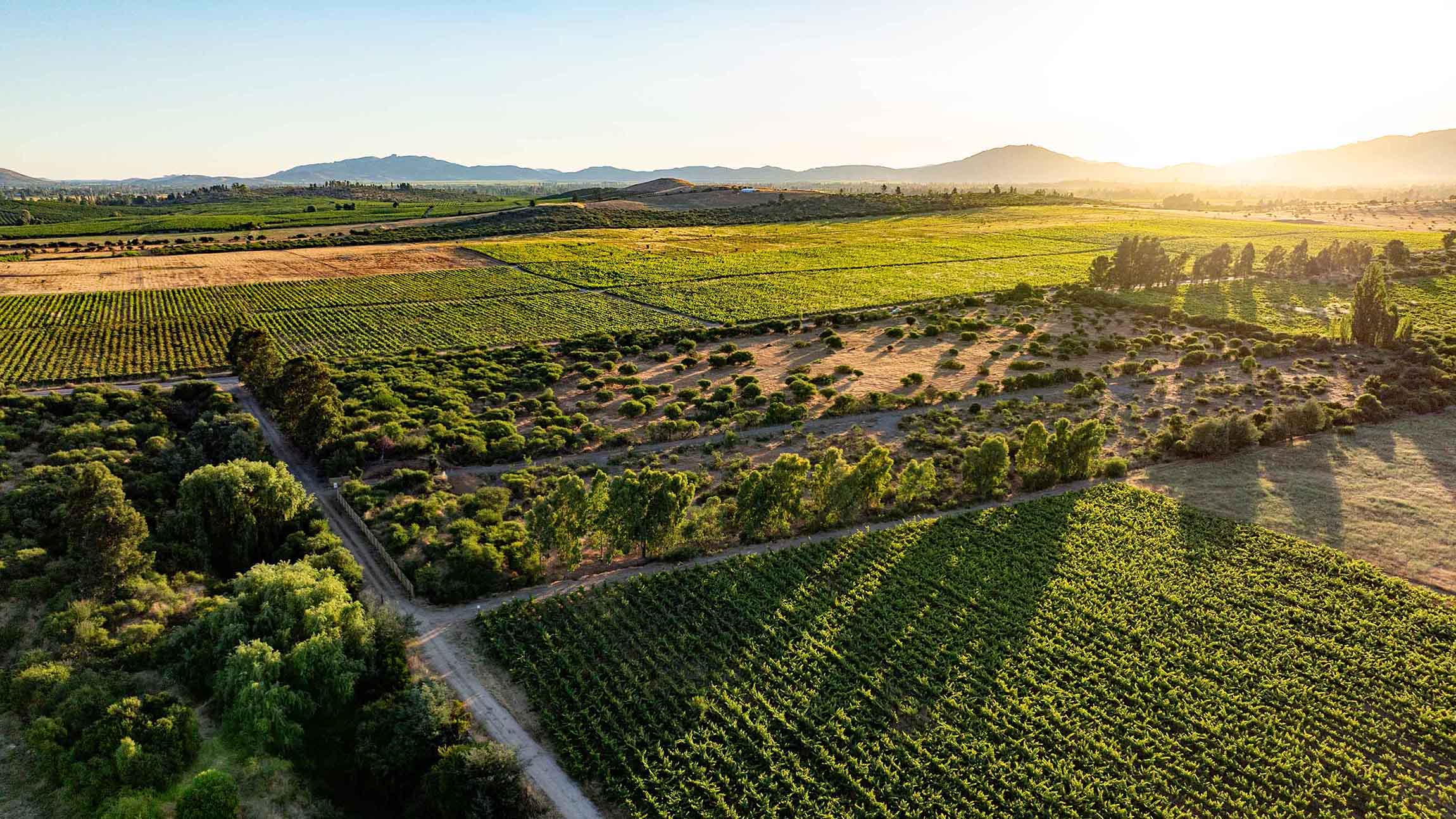
Manzanos Wines USA imports Cremaschi Furlotti, a historic family estate rooted in Chile's Maule Valley, one of the country's oldest and most characterful winegrowing regions. The Maule's warm days, cool nights, and old-vine heritage give the wines ripeness and structure in equal measure, which is precisely what makes them so easy to pour by the glass and so hard to leave off a by-the-bottle list.
The Maule Valley sits in Chile's central south, framed by the Andes to the east and the coastal range to the west. That wide diurnal swing between hot afternoons and cool nights lets the grapes ripen fully while holding on to freshness, so the wines land bold but balanced rather than heavy. It is a region with genuine roots, home to some of Chile's oldest vineyards, and the current wave of investment in sustainable, terroir-focused winemaking has made it one of the most exciting corners of a country that is itself the 2026 value story. For a buyer, that heritage is a talking point that turns a good pour into an easy sell.
The range covers the varieties American buyers ask for most:
- Carménère — the flagship: plush, spicy, savory, built for the grill.
- Cabernet Sauvignon — structured and blackcurrant-rich, a reliable list anchor.
- Chardonnay and Sauvignon Blanc — bright, coastal-fresh whites for the on-premise pour.
- Pinot Noir — a lighter, versatile red for the by-the-glass program.
Explore the full lineup among our wines, and note that the Chilean range slots in neatly next to our Spanish Riojas, including accolade-earners like the Manzanos Gran Reserva Rioja 2015 (95 points, Wine Enthusiast) and Manzanos Reserva Rioja 2018 (93 points, Wine Enthusiast), giving a single supplier the full price-and-style spread.
What Does Carménère Pair Well With?
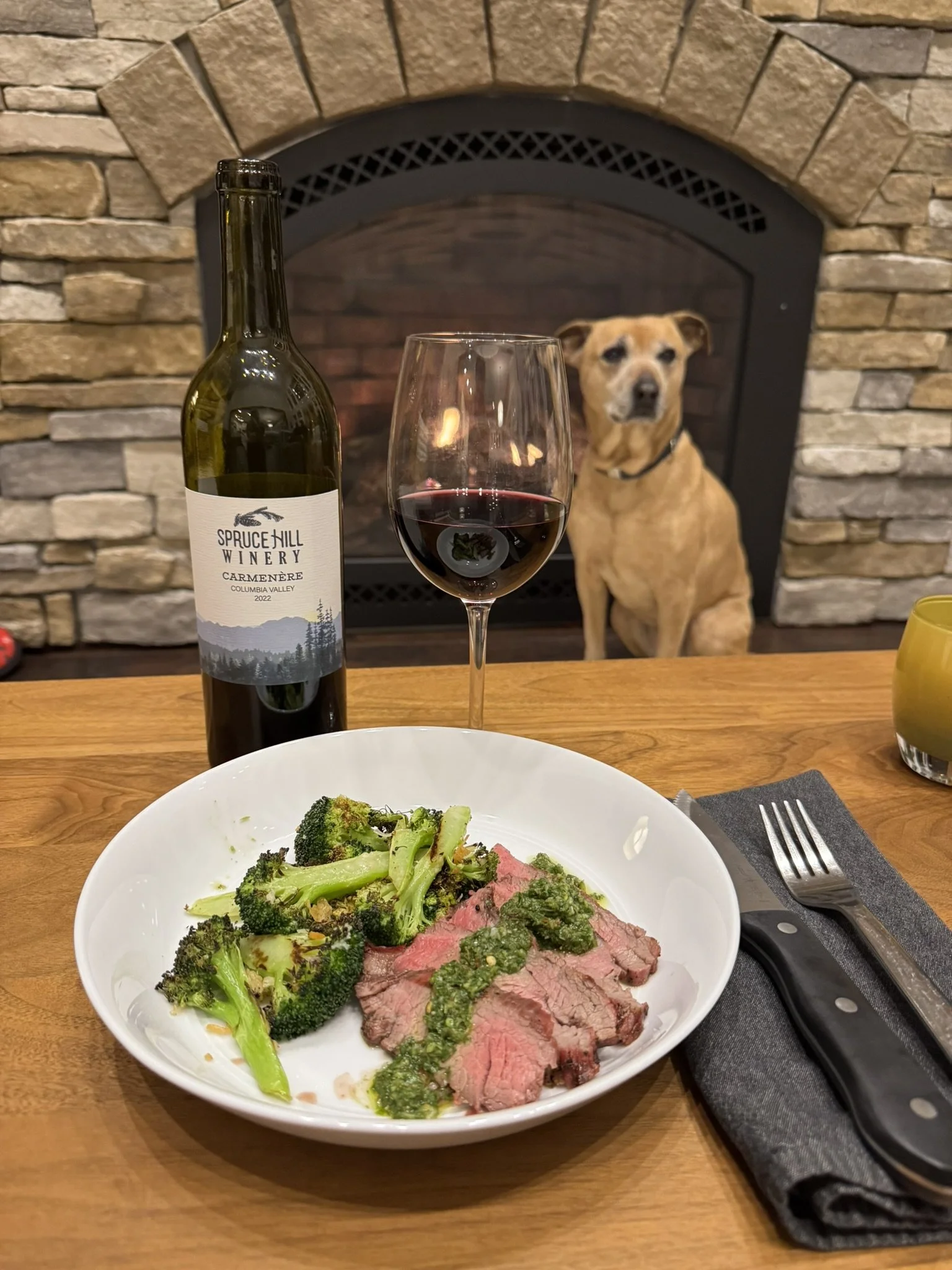
This is where Carménère earns its keep on a wine list. Its naturally good acidity and soft tannins make it one of the most food-flexible reds you can pour. It shines with anything off the grill and stands up to bold, smoky, and spiced dishes without overpowering them.
- Grilled and smoked meats — sirloin, ribeye, barbecued ribs, and Chilean-style asado.
- Lamb and pork — rack of lamb, pork chops, roasted pork loin.
- Wild game in red-wine sauces.
- Herbs and spice — the green-peppercorn note loves chimichurri, cumin, and roasted peppers.
- Hearty vegetarian — grilled mushrooms, roasted eggplant, and lentil stews.
For restaurants and steakhouses, that versatility means one bottle can span half a menu, which is exactly the kind of workhorse pour that keeps a program profitable.
How to Serve It for the Best Impression
A few small moves make Carménère taste like a much more expensive bottle. Serve it slightly cool, around 60-64°F, so the fruit stays fresh and the tannins feel supple rather than heavy. Give a young Carménère fifteen to twenty minutes in the glass or a quick decant; that whisper of air softens the edges and lets the savory, peppery notes open up. Reach for a standard Bordeaux-style glass with a generous bowl to gather the aromatics. Do these three things at a tasting or on the floor and you turn a value red into a genuine "what is this?" moment, which is precisely how new listings catch on.
Frequently Asked Questions
What is the most popular Chilean wine?
Cabernet Sauvignon is Chile's most widely planted and exported red, but Carménère is the country's signature grape and its most distinctive calling card. Because Chile grows Carménère better than anywhere else on earth, it has become the wine most associated with the country's identity.
What kind of wine is Chile known for?
Chile is best known for value-driven, fruit-forward reds, led by Carménère and Cabernet Sauvignon, alongside crisp coastal Sauvignon Blanc and Chardonnay. In 2026 the country is increasingly recognized for premium, terroir-driven bottlings that rival Old-World benchmarks.
What is Carménère wine similar to?
Carménère drinks like a plusher, softer cousin of Merlot and Cabernet Sauvignon, with a distinctive savory, green-peppercorn edge. If you enjoy Merlot's roundness but want a touch more spice and structure, Carménère is a natural next step.
Is Carménère dry or sweet?
Carménère is a dry red wine. Its ripe black-fruit flavors can give an impression of richness, but there is no residual sweetness, and its gentle tannins keep it smooth rather than sugary.
Put Chile on the List in 2026
In a year when so much of the market is defensive, Chilean Carménère is an offensive play: real quality, real value, a genuine story, and a taste your Cabernet and Merlot drinkers already understand. Cremaschi Furlotti gives you all of that from a single, reliable source.
Consumers: discover where to find our wines near you and pour a Carménère at your next cookout. Trade partners — distributors, retailers, and restaurants — can source Cremaschi Furlotti and our full portfolio directly; become a distributor and put one of 2026's smartest reds on your shelf.
Manzanos Wines USA is the premier importer of premium wines from Spain, Italy, Chile, South Africa, and France, serving all 50 US states through our nationwide distributor network. Learn more at manzanoswinesusa.com.
Manzanos Wines USA is a Spanish wine importer in the United States: Rioja and Navarra wines from our own family wineries, in stock in the U.S. and ready to ship to all 50 states.
Wines featured in this story

Discover Our Wines
Explore the full Manzanos Wines USA portfolio — premium wines from Spain, Italy, Chile, France, and South Africa, delivered to distributors and restaurants across America.
Explore Our Wines