
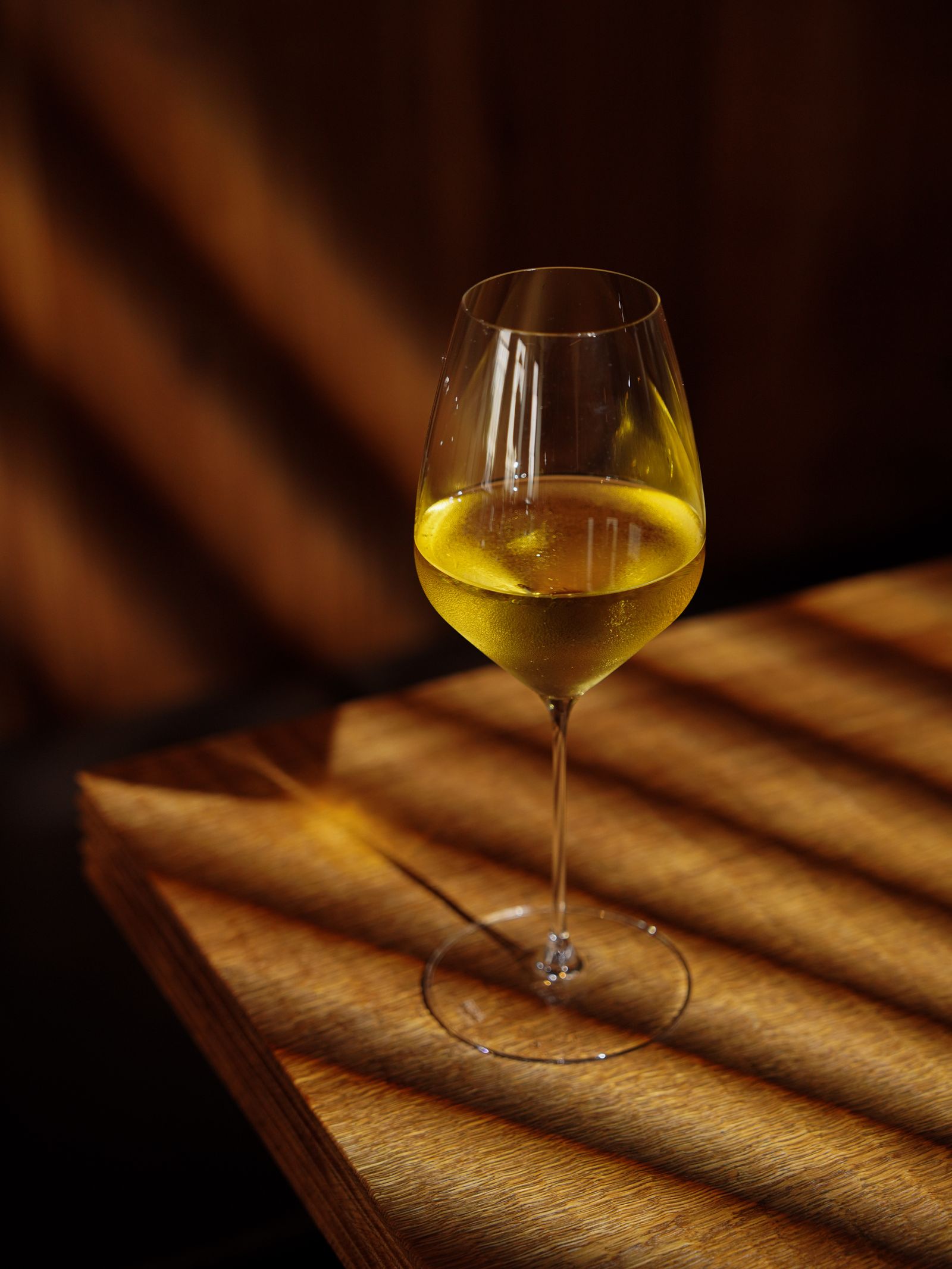
Dry January 2027: 7 Moves Wine Buyers Should Make Now
Only 54% of U.S. adults now drink. January's customer buys less but chooses better. Seven moves to win the quiet month and the February rebound.
Only 54% of U.S. adults now say they drink alcohol, the lowest figure Gallup has recorded in its long-running survey, and among those who do drink, a record-low 24% had a drink in the previous 24 hours. Add Dry January on top of that, and the first month of 2027 is already the quietest stretch on the wine calendar for many stores and wine lists.
Quiet is not the same as empty, though. The guests who still pour a glass in January are choosing more carefully, and that is a planning problem a smart buyer can solve in November, not on January 2nd. Here are seven moves for retailers, restaurants and distributors, plus the bottles from our portfolio that fit each one.
Key Takeaways
- Fewer drinkers, more deliberate choices: the January customer buys less often but cares more about what is in the glass.
- Lighter styles do the heavy lifting: Moscato d'Asti, crisp Sauvignon Blanc and fresh rosé suit a lower-key month.
- By-the-glass beats by-the-bottle in January. Build the list around pours, not commitments.
- Plan the February comeback now: the Rioja Reserva and Gran Reserva push starts the day January ends.
- Every move works best with stock already in the U.S., ready to ship to all 50 states.
How many people actually do Dry January?
Participation is real but uneven. NielsenIQ's U.S. On-Premise research, based on 1,600 consumers in Texas, New York, Florida and California surveyed in December 2025, found that Dry January participants mostly swapped alcohol for soft drinks (57%) and hot or iced drinks (41%), with sparkling water at 29% and mocktails at 15%. Alcohol-free wine was chosen by 12% of participants. Reporting on the same season suggested roughly half of Gen Z and millennial drinkers planned to take part in some form.
The trade lesson is simple: most of your regular customers do not disappear in January. Some skip the month entirely, many cut back for a week or two, and a large share simply drinks less often and spends that intention on a better bottle. NIQ's own advice to operators was to offer lower-ABV serves and smaller formats to meet that moderation demand.
1. Lead with naturally lighter wines, not just zero-proof
Non-alcoholic wine has its shelf, and if your customers ask for it, carry it. But the bigger opportunity for most wine programs is the drinker who has not quit, just scaled back. For that guest, a naturally lighter style is the easiest yes on the list.
- Duchessa Lia Moscato d'Asti (Piedmont): gently sparkling, fragrant and, as a category, typically around 5.5% alcohol, a fraction of a full-bodied red. Our deep dive on Moscato d'Asti covers the style in detail.
- Cremaschi Furlotti Sauvignon Blanc (Chile): crisp, citrus-driven and built for food, an easy pour for a weeknight dinner.
- Bruce Jack Reserve Sauvignon Blanc (South Africa): bright and textural, a strong by-the-glass white for seafood and salads.
Put these at eye level and at the top of the glass list in January. They sell the idea of "one good glass" better than any sign.
2. Rebuild the by-the-glass list around smaller commitments

A guest cutting back will rarely order a bottle for two, but will happily order one well-chosen glass. That shifts the economics of January toward pours:
- Offer half pours or tasting flights of three small servings, so a curious guest can explore without overcommitting.
- Keep at least one premium red by the glass. Moderation often means "less, but better", and a Rioja Reserva by the glass gives that guest a reason to stay with wine.
- Use a preservation system for the pricier pours so an opened bottle lasts the week.
3. Sell pairing, not volume
When people drink less, every glass has to earn its place at the table. That is exactly where food-friendly wine wins. Train staff to recommend one glass for one dish instead of a bottle for the table: Moscato d'Asti with fruit desserts or spicy Asian dishes, Sauvignon Blanc with ceviche or goat cheese, a Rioja Crianza with roast chicken or mushroom risotto. Retailers can do the same with shelf talkers that name a single dinner, not a whole menu.
What is "Damp January" and why should wine buyers care?
"Damp January" describes the many consumers who reduce rather than stop: fewer drinking days, smaller servings, or only drinking with a meal. It matters to the trade because this group is far larger than the strict abstainers, and its spending does not vanish, it concentrates. The bottle that gets bought in January is usually the one with a story, a score, or a clear food match.
4. Merchandise the story behind the bottle
Deliberate buyers read labels and ask questions. Give them answers. Our Spanish wines come from a family that has made wine in Rioja and Navarra for five generations since 1890, and our portfolio holds more than 600 wines rated 90 points or higher, with the Manzanos 125 Aniversario awarded Decanter Platinum at 97 points. Those details belong on the shelf talker and in the server's pitch, because in a slow month the story is the sale.
5. Plan the February comeback in November
January is short. The rebound is predictable: Super Bowl gatherings, Valentine's Day dinners and the return of the weekend dinner party all land within six weeks. Buyers who order in November have the rebound wines on the floor the day the month ends.
- Manzanos Gran Reserva Rioja 2015, 95 points Wine Enthusiast: the "first glass back" for the guest who waited all month.
- Manzanos Reserva Rioja 2018, 93 points Wine Enthusiast: a reliable Reserva for Valentine's menus and steak nights.
- Duchessa Lia Barolo: a special-occasion Piedmont red for anniversary dinners.
For broader context on what is coming next year, see our guide to wine trends U.S. buyers should plan for in 2027.
6. Keep inventory lean with a domestic stock partner
A soft January is the worst time to sit on a container's worth of slow-moving stock. Working with a Spanish wine importer that holds inventory in U.S. warehouses lets you order smaller, reorder faster and bring rebound wines in exactly when demand returns. Our wines are in stock in the U.S. and ready to ship to all 50 states, so a distributor or retailer can match purchases to the calendar instead of to a shipping schedule.
7. Make moderation feel welcome, not awkward
The fastest way to lose a January guest is to make them feel judged for ordering one glass, or a soft drink. Put a short zero-proof section on the menu, list lighter wines clearly, and train staff to treat "just one glass" as a perfectly good order. The guest who feels welcome in January is the one who books the table in February.
Frequently Asked Questions
What month do people not drink alcohol?
January is the best-known month, thanks to Dry January, which started in the UK and has spread widely in the U.S. Some people also take "Sober October" breaks. Many participants reduce rather than fully stop, a pattern often called Damp January.
What wines are considered a dry wine?
A "dry" wine has little or no residual sugar, which covers most red wines, including Rioja Tempranillo, and whites like Sauvignon Blanc. Note that "dry" refers to sweetness, not alcohol, so it has nothing to do with Dry January. Moscato d'Asti, by contrast, is off-dry and gently sweet.
Is wine with 10% alcohol strong?
No. Most table wines sit between roughly 12% and 15% alcohol, so a 10% wine is on the lighter side, and Moscato d'Asti is lighter still. Lighter styles are a natural choice for guests who want a glass with dinner without a heavier pour.
Should wine shops stock non-alcoholic wine for Dry January?
A small, curated selection is worth having if customers ask for it, since 12% of Dry January participants in NIQ's survey reached for alcohol-free wine. For most shops, though, naturally lighter wines and a strong February restock plan will matter more to the bottom line.
Find our wines, or bring them to your list
Wine lovers: look for Manzanos, Siglo, Duchessa Lia, Cremaschi Furlotti and Bruce Jack at retailers including Costco, Total Wine & More, Spec's, BevMo!, Binny's and Hy-Vee, and use our store locator to find a bottle near you, or browse our wines.
Retailers, restaurants and distributors: plan your January lineup and February rebound with us now. Learn how to source our portfolio or become a distributor.
Manzanos Wines USA is the premier importer of premium wines from Spain, Italy, Chile, South Africa, and France, serving all 50 US states through our nationwide distributor network. Learn more at manzanoswinesusa.com.
Please enjoy responsibly. Must be 21+.
Manzanos Wines USA is a Spanish wine importer in the United States: Rioja and Navarra wines from our own family wineries, in stock in the U.S. and ready to ship to all 50 states.
Discover Our Wines
Explore the full Manzanos Wines USA portfolio — premium wines from Spain, Italy, Chile, France, and South Africa, delivered to distributors and restaurants across America.
Explore Our Wines