
5 Piedmont Pours Every US Wine List Needs in 2026
Barolo's thunder, Moscato d'Asti's silk: how Duchessa Lia's Piedmont range earns its place on America's 2026 wine lists — with pairings that actually work.
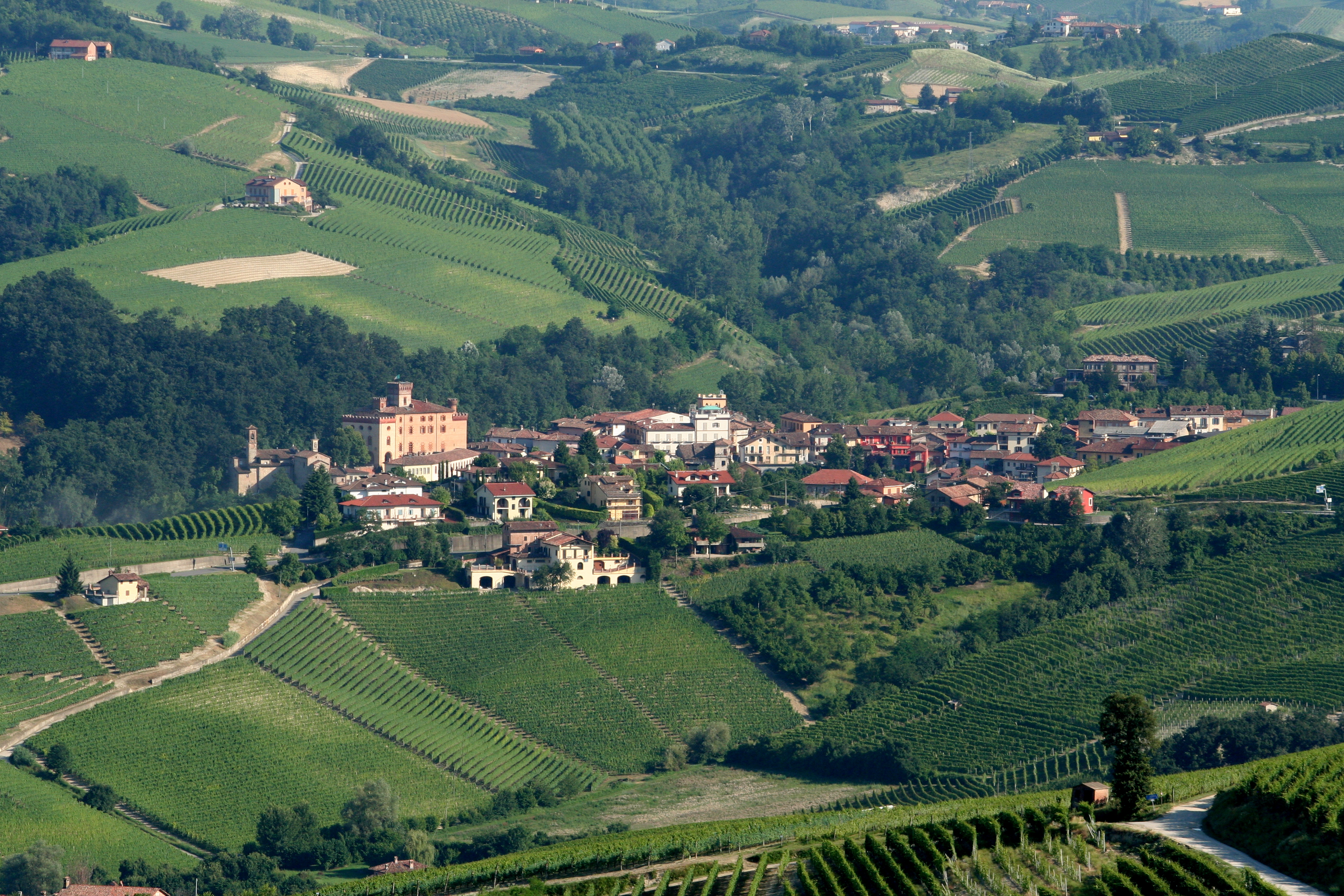
Barolo accounts for more than 40% of Piedmont's most-collected wines — a single grape, grown on a single cluster of foggy hills, outrunning every other appellation in the region. Yet the same corner of northwest Italy also gives us a featherlight, peach-scented fizz you can pour at brunch. That range — thunder and silk from the same address — is exactly why Piedmont is showing up on more American wine lists in 2026.
At Manzanos Wines USA we bring that range stateside through Duchessa Lia, our Piedmont house: Barolo, Nebbiolo d'Alba, Moscato d'Asti and the strawberry-bright Gala Rosa. Here's how to read the region, what to pour with what, and why these bottles belong behind your bar this year.
Key Takeaways
- Barolo and Barbaresco are 100% Nebbiolo — Italy's most aromatic, age-worthy red, built for the cellar and the table.
- Moscato d'Asti is having a genuine moment: low-alcohol (~5.5%), lightly sweet, gently sparkling — and 2026's sweet-sparkling revival is real.
- Old World classics are dominating 2026 US wine lists; Piedmont gives you prestige and approachability in one portfolio.
- Duchessa Lia covers the full arc — a cellar-worthy Barolo, an everyday Nebbiolo, a crowd-pleasing Moscato and a versatile rosé.
What Are the Rules Behind Barolo, Italy's "King of Wines"?
Barolo is made from a single grape — Nebbiolo — grown in eleven villages around the town of Barolo in the Langhe hills. The name nods to the morning fog (nebbia) that blankets those slopes through harvest. To carry the Barolo DOCG label, the wine must age a minimum of 38 months, at least 18 of them in wood; a Riserva demands 62 months. That patience is the point.
The result is a red that fools people on looks. Barolo is pale, almost translucent garnet — then it hits you with rose petal, tar, dried cherry, leather and a grip of tannin that can carry the wine two or three decades. It is structured, savory and built to evolve. Nebbiolo d'Alba, grown in nearby vineyards under a more relaxed regime, offers the same DNA in a softer, earlier-drinking, more wallet-friendly form — the perfect by-the-glass introduction to the grape.
Does Barolo Go With Spaghetti? What to Actually Pour It With
Short answer: a simple tomato spaghetti will fight Barolo's tannin and acidity — you want richer, fattier, slow-cooked plates that give those tannins something to grab. Think of how Piedmontese cooks eat at home. The classic pairings:

- Braised beef and short ribs — brasato al Barolo is the textbook match; the wine literally goes into the pot.
- Truffle and mushroom dishes — Alba's white truffles and Nebbiolo grew up together for a reason.
- Aged hard cheeses — Castelmagno, Parmigiano, aged pecorino.
- Roast game, duck and lamb — anything with savory depth and a little fat.
- Tajarin pasta with butter and sage — the rich, eggy Piedmontese noodle, not a sharp tomato sauce.
The rule of thumb: match Barolo's power and structure with weight and umami on the plate. Pour Nebbiolo d'Alba with weeknight versions of the same dishes — pizza, mushroom risotto, a burger — where you want Nebbiolo character without the full Barolo commitment.
What Kind of Wine Is Moscato d'Asti — and Why Is It Having a Moment?
Moscato d'Asti is made from the Moscato Bianco grape, grown in the same Piedmont province as Barolo but pointed in the opposite direction: gently sweet, delicately fizzy (frizzante, not fully sparkling), and remarkably low in alcohol at around 5.5%. Expect peach, apricot, orange blossom and honeysuckle, with a clean, grapey finish that never turns cloying.
One of 2026's more surprising trends is the renewed popularity of sweet and semi-sweet sparkling wines, and Moscato d'Asti sits right at the center of it. It answers exactly what younger drinkers are asking for — lower alcohol, lower commitment, high deliciousness. It's a brunch wine, a patio wine, a fruit-and-pastry-dessert wine, and a brilliant counterpoint to spicy food. Don't confuse it with fully sparkling Asti Spumante: Moscato d'Asti is lighter, less fizzy, lower in alcohol and more artisanal in style.
Rounding out the Duchessa Lia range, Gala Rosa brings a fresh, strawberry-and-rose sparkling rosé that bridges the gap — celebratory enough for a toast, easy enough for a Tuesday. For a region famous for serious reds, Piedmont's lighter side is one of its best-kept secrets.
How to Build a Piedmont Flight Guests Will Remember
The smartest way to showcase this region — at a tasting, on a by-the-glass list, or at your own table — is to walk guests through its full personality in four pours. Start light and finish long:
- Gala Rosa to open — sparkling rosé wakes up the palate and sets a celebratory tone.
- Moscato d'Asti as the charmer — low-alcohol and lightly sweet, it disarms even self-described "I only drink dry" guests.
- Nebbiolo d'Alba as the bridge — your first real taste of the grape, supple and ready tonight.
- Barolo as the headliner — the full Nebbiolo experience, structured and age-worthy, ideally with food.
That arc tells the whole Piedmont story in one sitting and gives every kind of drinker something to love. It's also a quietly effective sales tool: guests who arrive for the Moscato often leave curious about the Barolo. Serve the reds at a cool room temperature (around 60-64F) and the whites and rose well-chilled, and pour the Barolo into a wide glass so its aromatics can open. Range, not just prestige, is Piedmont's real edge.
Why Piedmont Belongs on Your 2026 List
The market is leaning Old World. Sommeliers report that classic European regions are dominating 2026 wine lists as drinkers trade flashy New World fruit bombs for structure, savoriness and a sense of place. Piedmont is the ideal answer because it does both jobs at once:
- Prestige at the top — Barolo and Barbaresco anchor a list with names guests recognize and trust.
- Approachability underneath — Nebbiolo d'Alba, Moscato d'Asti and Gala Rosa open the door for casual and first-time buyers.
- Food versatility — from braised beef to brunch pastries, the range covers a full menu.
For US restaurants, retailers and distributors, that's a portfolio that sells across price points and occasions from one Italian house. Explore our wines to see the full Duchessa Lia lineup, or learn how to partner with us as a distributor.
Frequently Asked Questions
When should you drink a Barolo?
A young Barolo (under 5 years) benefits from an hour or two of decanting to soften its firm tannins. Many bottles hit their stride between 8 and 15 years from the vintage, and top Riservas can age 20+ years. Drink it with a meal — its structure is built for rich, savory food, not for sipping on its own.
What's the difference between Moscato and Moscato d'Asti?
"Moscato" is a broad name covering many styles of wine from the Muscat grape worldwide. Moscato d'Asti is a specific, protected DOCG from Piedmont, Italy: lightly sweet, gently frizzante and very low in alcohol (~5.5%), made in an artisanal style. It's also distinct from Asti Spumante, which is fully sparkling and higher in alcohol.
Is Moscato d'Asti a cheap or low-quality wine?
No. Moscato d'Asti is intentionally light, low-alcohol and accessibly priced, but the best examples are precise, aromatic and beautifully balanced. Quality comes from the craft of capturing fresh grape character with a delicate fizz — not from oak or high alcohol. A well-made Moscato d'Asti is one of the most food-friendly wines you can pour.
What food pairs best with Nebbiolo?
Nebbiolo loves savory, earthy and fatty dishes: braised and roasted meats, mushroom and truffle plates, aged cheeses, and rich pasta. Lighter Nebbiolo d'Alba also handles pizza, charcuterie and weeknight comfort food with ease.
Manzanos Wines USA is the premier importer of premium wines from Spain, Italy, Chile, South Africa, and France, serving all 50 US states through our nationwide distributor network. Learn more at manzanoswinesusa.com.
Manzanos Wines USA is a Spanish wine importer in the United States: Rioja and Navarra wines from our own family wineries, in stock in the U.S. and ready to ship to all 50 states.
Wines featured in this story

Discover Our Wines
Explore the full Manzanos Wines USA portfolio — premium wines from Spain, Italy, Chile, France, and South Africa, delivered to distributors and restaurants across America.
Explore Our Wines