
Ribera del Duero vs Rioja: 7 Differences Every US Wine Buyer Should Know
Same grape, different altitude: Ribera del Duero and Rioja both pour Tempranillo, but they drink nothing alike. Here is how to choose, pair and list both.
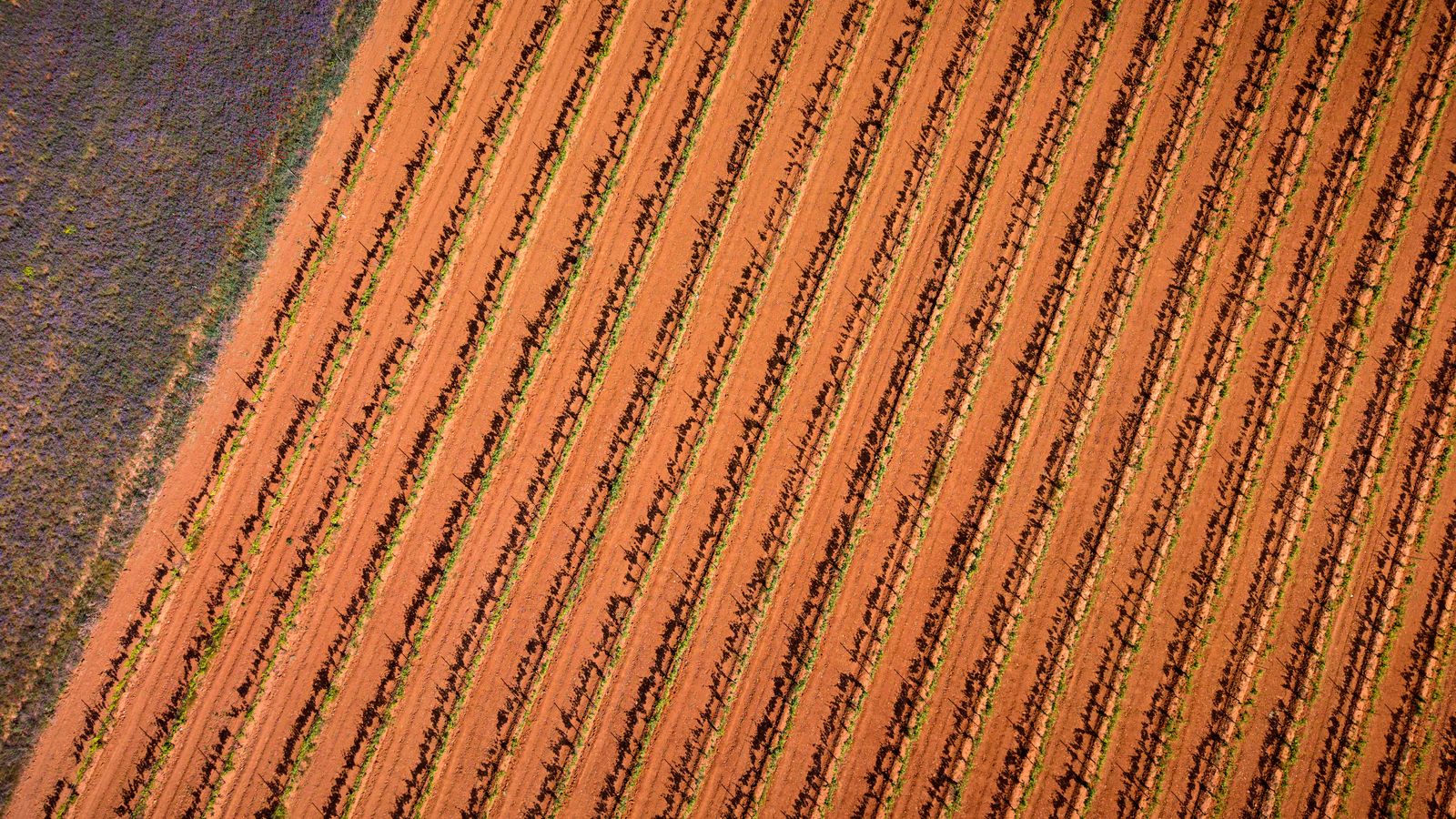
Same grape, two very different bottles. Rioja and Ribera del Duero both build their reds on Tempranillo, yet Ribera's vineyards sit between 720 and more than 1,000 meters above sea level, while our own Manzanos vineyards in Rioja Oriental grow at roughly 360 to 410 meters. That altitude gap alone explains much of what ends up in the glass, and it is the single most useful thing a US buyer can know when the two regions sit side by side on a wine list.
Spain's two most famous red-wine names are often treated as interchangeable on American shelves. They are not. Here is a practical guide for both wine lovers and the trade, with the bottles we import that show each region at its best.
Key Takeaways
- Rioja is older, larger and more blend-driven: elegant, savory, red-fruited, built for food and for aging.
- Ribera del Duero is high-altitude, almost all Tempranillo: darker fruit, firmer tannins, more power.
- Both use the Crianza, Reserva and Gran Reserva ladder, so the label still tells you how long the wine aged.
- "Roble" on a Ribera label signals a short oak stint, which makes it the friendliest entry point to the region.
- Smart lists carry both: Rioja for finesse and age, Ribera for grilled meat and bold-red drinkers.
Is Ribera del Duero Better Than Rioja?
Neither is better. They answer different questions. Rioja is the region Americans already know: a Designation of Origin since 1925 and, in 1991, the first in Spain to earn the higher DOCa (Qualified Designation of Origin) status. Ribera del Duero is younger as an appellation, officially in force since 1982, and its reputation was built on concentration and intensity.
The real question is what you are pouring it with. Rioja's brighter acidity and savory spice flatter a wider range of dishes. Ribera's depth wins with charred, fatty, smoky food.
7 Differences Between Ribera del Duero and Rioja
1. Altitude and climate
Ribera del Duero sits on Spain's northern plateau, where the regulatory council places vineyards between 720 and more than 1,000 meters. Hot days and cold nights give thick-skinned grapes, deep color and firm structure. Rioja is lower and more varied, with Atlantic influence in the west and warmer, Mediterranean-leaning conditions in Rioja Oriental, home to our Azagra vineyards.
2. Size
Rioja is roughly two and a half times larger: about 66,000 hectares of registered vineyard across three zones (Rioja Alta, Rioja Alavesa and Rioja Oriental, renamed from Rioja Baja in 2018). Ribera del Duero's council reports 26,123 hectares farmed by 7,877 growers across four provinces.
3. Grapes and blending
In Ribera, Tempranillo goes by local names, Tinta del País or Tinto Fino, and dominates plantings. Rioja is a blending culture. Our Manzanos Reserva 2018 combines Tempranillo, Graciano and Garnacha from four of our best vineyards, each adding something: Tempranillo for red fruit and licorice, Graciano for acidity and lift, old-vine Garnacha for delicacy.
4. Flavor profile
- Rioja: red and forest fruits, strawberry, plum, sweet spice, vanilla and coconut from American oak, savory and earthy with age.
- Ribera del Duero: black cherry and blackberry, more color, more tannic grip, often a touch more alcohol.
5. Oak style
Rioja made American oak famous, and the vanilla-and-coconut signature still defines classic bottles. Ribera producers lean on both American and French oak. Our Berceo Selección Ribera del Duero Roble spends 4 months in new barrels, 75% American and 25% French, so the fruit stays front and center.
6. Aging categories
Both regions use the familiar ladder. In Rioja, a red Crianza needs at least two years of aging with one in oak, a Reserva three years with at least one in oak, and a Gran Reserva five years with at least two in oak. For the full breakdown, see our guide to the four levels of Rioja.
7. The food it was born for
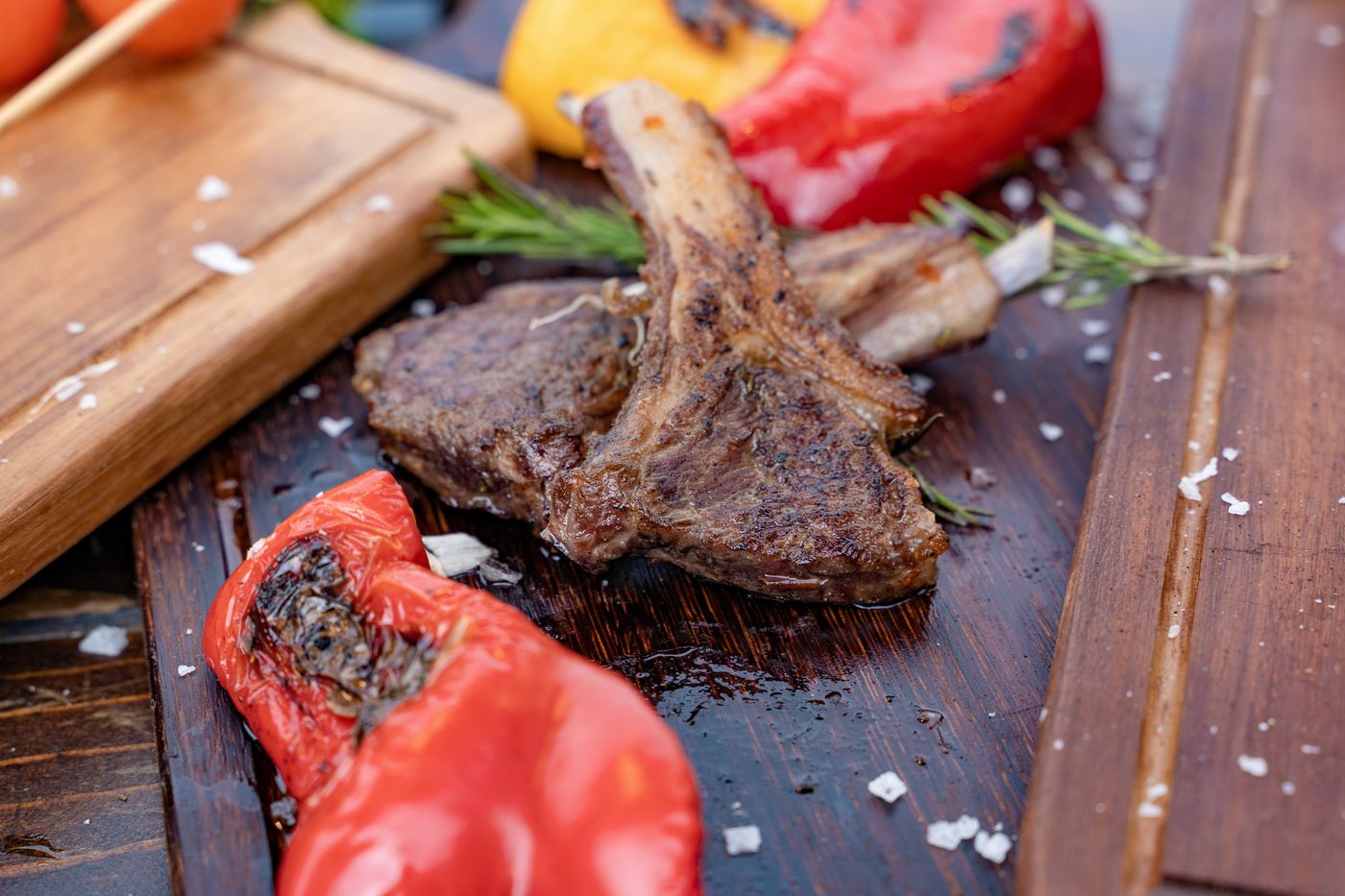
Ribera's home dish is lechazo, milk-fed lamb roasted in a wood oven in Castile. Rioja's table is lamb chops grilled over vine cuttings, peppers, chorizo and stews. Both love lamb; they just like it cooked differently.
What Wine Is Most Like Rioja?
If you love Rioja, Ribera del Duero is the natural next step, because it is the same grape grown in a tougher place. Inside Rioja itself, Garnacha-led reds from Rioja Oriental and Navarra next door offer a softer, juicier cousin. For a quick comparison at home, open a bottle from each region side by side and taste blind.
What We Pour From Each Region
- Berceo Selección Ribera del Duero Roble. 100% Tinta del País from vineyards around Roa and Milagros. Ruby with purple rims, fresh red fruit, vanilla and coconut, silky with ripe, toasty tannins. 13% ABV. Serve at 60 to 65°F. Pair with grilled steak, burgers, aged cheeses or a smoky lentil soup.
- Manzanos Reserva Rioja 2018, 93 points Wine Enthusiast. 24 months in barrel. Smoky spice, ripe strawberry, plum and black cherry, satin tannins and a long black-pepper finish. Excellent with turkey, pork, chargrilled vegetables, morcilla and even spicy Asian dishes, which makes it a strong holiday-table red.
- Manzanos Gran Reserva Rioja 2015, 95 points Wine Enthusiast. The long-aged statement bottle, for prime rib, braised short ribs and the special-occasion dinner.
Browse the full range on our wines page.
Is Rioja Similar to Cabernet Sauvignon?
Not really. Cabernet Sauvignon tends to bring blackcurrant, more tannin and a heavier frame. Classic Rioja is lighter on its feet, with red fruit and savory spice. Ribera del Duero is the closer match for Cabernet drinkers: darker fruit, firmer structure and more weight. That makes it a smart "trade-across" recommendation for a guest who usually orders Napa Cab.
Why US Buyers Should List Both
Spain's wine exports fell 21.2% in volume through April 2026, according to Vinetur. In a tighter market, US distributors and retailers win with wines that are already here, easy to explain and backed by scores. A Rioja and a Ribera next to each other give staff an easy story ("same grape, different altitude") and give guests a reason to try a second Spanish bottle.
Our portfolio is in stock in the U.S., ready to ship to all 50 states, and our family has made wine in Rioja and Navarra for five generations, since 1890. Across our brands we hold 600+ wines rated 90 points or more, including a Decanter Platinum 97 for Manzanos 125 Aniversario.
- Restaurants: pour the Berceo Ribera Roble by the glass for steak and burger menus; list Manzanos Reserva by the bottle for the savory, food-friendly pick.
- Retailers: shelve them together under a "Spain's Tempranillo, two ways" card. It turns a single sale into two.
- Distributors: the pair covers both the value tier and the scored, aged tier in one Spanish set.
Frequently Asked Questions
Where does Rioja wine come from?
Rioja comes from northern Spain along the Ebro River, across the regions of La Rioja, the Basque Country (Álava) and Navarra. It is split into three zones: Rioja Alta, Rioja Alavesa and Rioja Oriental.
Where is Ribera del Duero?
Ribera del Duero follows the Duero River across Castile and León, spanning the provinces of Burgos, Valladolid, Segovia and Soria. Its vineyards are among the highest in Spain.
What does "Roble" mean on a Spanish wine label?
"Roble" means oak. It signals a young red that spent a short time in barrel, shorter than a Crianza. Our Berceo Ribera Roble, for example, spends 4 months in new oak.
Which is better with steak, Rioja or Ribera del Duero?
For a well-marbled, charred steak, Ribera del Duero's firmer tannins are the classic choice. For leaner cuts, lamb or dishes with peppers and spice, a Rioja Reserva is often the more versatile pick.
Find Them Near You
Wine lovers: look for our Spanish wines at retailers such as Costco, Total Wine & More, Albertsons, Spec's, BevMo!, Binny's and Hy-Vee (availability varies by state), or use Find Our Wines to locate a store near you.
Distributors, retailers and restaurants: source Rioja and Ribera del Duero directly through our nationwide network. Become a distributor or reach out to our trade team.
Manzanos Wines USA is the premier importer of premium wines from Spain, Italy, Chile, South Africa, and France, serving all 50 US states through our nationwide distributor network. Learn more at manzanoswinesusa.com.
Please enjoy responsibly. Must be 21+.
Manzanos Wines USA is a Spanish wine importer in the United States: Rioja and Navarra wines from our own family wineries, in stock in the U.S. and ready to ship to all 50 states.
Wines featured in this story


Discover Our Wines
Explore the full Manzanos Wines USA portfolio — premium wines from Spain, Italy, Chile, France, and South Africa, delivered to distributors and restaurants across America.
Explore Our Wines