
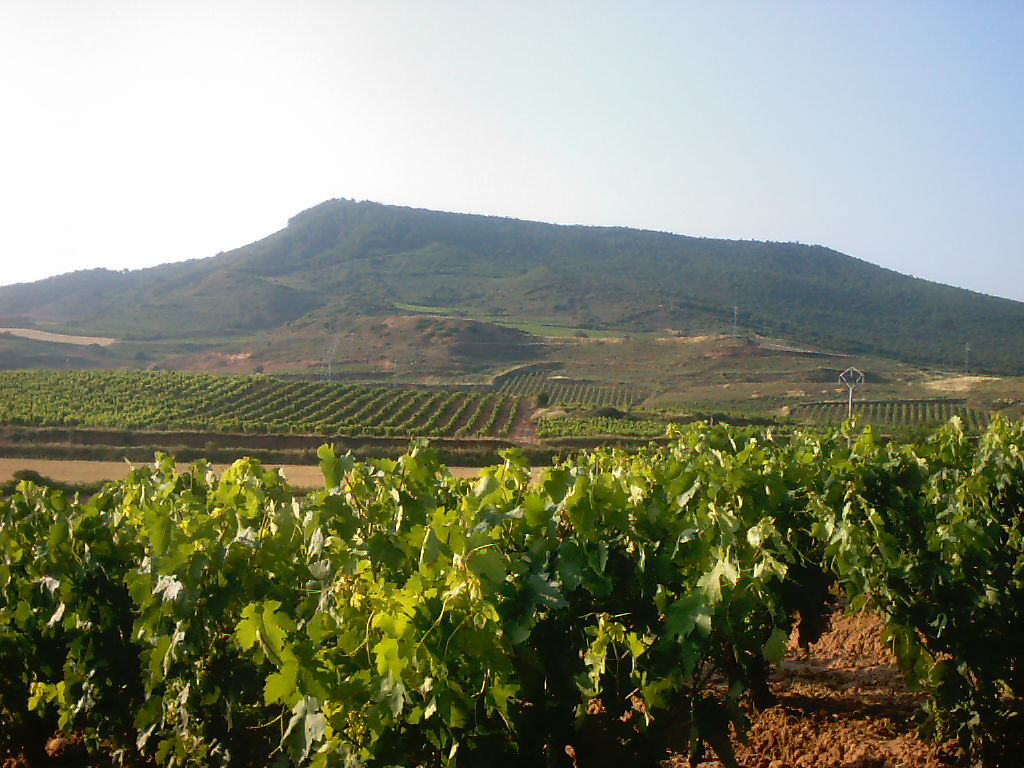
Why Rioja Is 2026's Smartest-Value Red for US Wine Lists
Spanish wine volumes are down in the US, yet export value jumped 8.4% to $3.43B. Here is why buyers who read the numbers are quietly loading up on Rioja.
Here is a number the wine trade keeps repeating with a worried face: Spanish wine exports to the United States fell 7% through mid-2025, and US supermarket volume slid 7.6%, according to NIQ. Sounds like a region in retreat. It is not. In the same window, Spain's total wine export value climbed 8.4% to $3.43 billion — fewer bottles, but worth considerably more each. That gap is the whole story, and it is the best argument for putting more Rioja and Navarra on a US list in 2026, not less.
When volume drops but value rises, drinkers are trading up. They are walking past the $8 bottle and reaching for the $18 one that overdelivers. No region on earth answers that impulse better than northern Spain, where a barrel-aged Reserva still costs a fraction of an equivalent Bordeaux or Napa red. For distributors, retailers and sommeliers reading the same data, the move is obvious.
Key Takeaways
- Value beats volume: US bottle counts are soft, but Spain's export value rose 8.4% to $3.43B — shoppers are trading up, and Rioja is where the value lives.
- Rioja is priced for the moment: a genuine oak-aged Reserva or Gran Reserva sells for a fraction of comparable French or Californian reds.
- Two regions, one opportunity: Rioja delivers structured, cellar-worthy Tempranillo; Navarra brings fresh rosado and Garnacha value.
- Critics agree: Manzanos Gran Reserva Rioja 2015 earned 95 points from Wine Enthusiast; the Reserva 2018 earned 93 points.
- By the glass, it converts: approachable, food-friendly, and instantly recognizable — Rioja moves at the pour.
What does Rioja mean in Spanish?
Rioja takes its name from the Río Oja, a small tributary that feeds the Ebro river in northern Spain. The region became the country's first DOCa (Denominación de Origen Calificada) in 1991 — the highest quality tier in Spanish wine law, a status only Rioja and Priorat hold. That name on a label is not decoration; it is a legal guarantee of where the grapes grew, how long the wine aged in oak, and the standards it had to clear before bottling.
The backbone grape is Tempranillo — literally "the little early one," for its habit of ripening ahead of other varieties. It gives Rioja its signature profile: red cherry and plum, savory leather and dried herbs, and the vanilla-and-baking-spice lift that comes from aging in American and French oak. Our Manzanos and Berceo Riojas are built on exactly this framework, from young, fruit-forward bottlings to long-aged Gran Reservas.
What is the difference between Rioja and Navarra?
They are neighbors that share the Ebro valley, similar grapes and a border, so buyers mix them up constantly. The differences are real and worth knowing when you build a list.
- Grapes and blends: Rioja leans hard on Tempranillo, often blended with Garnacha, Graciano and Mazuelo. Navarra has historically been Garnacha country and is far more open to international varieties — Cabernet Sauvignon, Merlot and Chardonnay all grow there legally and well.
- Rosado: Navarra built its reputation on dry, fruity rosé from Garnacha, and it remains one of the best-value pink categories in the world. Rioja makes rosado too, but it is Navarra's calling card.
- Aging tradition: Rioja's Crianza / Reserva / Gran Reserva ladder is codified and strict — a Gran Reserva must age a minimum of five years, at least two in oak. Navarra follows similar categories but is generally more flexible and modern in style.
- Price and discovery: because Navarra flies under the radar, its wines often deliver Rioja-level quality for a dollar or two less — a gift for by-the-glass programs.
On a smart Spanish list you want both: Rioja for structure and cellar credibility, Navarra for fresh, high-margin pours. Our portfolio covers the pair — Siglo, Manzanos and Berceo from Rioja; Las Campanas, Castillo de Olite, Castillo de Enériz and Señorío de Irati from Navarra.

What is the best Spanish Rioja?
"Best" depends on the job, so think in tiers rather than a single trophy bottle:
- Everyday by-the-glass: a fresh, unoaked or lightly oaked Tempranillo that pours easily and pairs with almost anything on a menu. This is where Spanish wine wins new drinkers.
- The reliable workhorse: a Crianza — aged at least two years with one in oak. Soft, spicy, food-friendly, and priced to sell all week.
- The list-maker: a Reserva or Gran Reserva for the section that builds a program's reputation. The Manzanos Gran Reserva Rioja 2015 scored 95 points from Wine Enthusiast, and the Manzanos Reserva Rioja 2018 earned 93 points — the kind of critical validation that sells a bottle before a server says a word, at a price that would be unthinkable for a similarly rated French red.
The point buyers should not miss: a 95-point Gran Reserva from Rioja often retails for less than an unheralded Napa Cabernet. That is the value equation the export numbers are quietly describing.
Pairings that make Rioja an easy yes
Rioja earns its place on a list because it is one of the most flexible reds at the table. A few that never miss:
- Crianza with grilled lamb chops or roast pork — the classic, the reason Rioja exists.
- Gran Reserva with aged Manchego and jamón — savory meets savory, with the oak carrying the salt.
- Young Tempranillo with burgers, tacos al pastor or a wood-fired pizza — proof it belongs on casual menus, not just white-tablecloth ones.
- Navarra rosado with grilled shrimp, paella or a summer salad — the versatile, high-margin pour that keeps a table ordering.
What wines are from Navarra, Spain?
Navarra makes far more than rosado, even if that is what put it on the map. Expect:
- Dry rosé (rosado) from Garnacha — crisp, red-fruited and remarkably food-friendly.
- Garnacha and Tempranillo reds, from bright and juicy to structured and oak-aged.
- International-variety reds and whites — Cabernet, Merlot and Chardonnay thrive under Navarra's DO rules, which is unusual for a classic Spanish region.
- Value-driven blends that punch well above their price, the reason Navarra is a sommelier's secret weapon.
From our own book, Las Campanas, Castillo de Olite and Castillo de Enériz show that range — accessible, honest, and priced for programs that need to move volume without cutting quality.
The trade case for stocking more Spain in 2026
Read the data the way a buyer should. Volume softness across the category is largely a story of cheap, commodity wine losing shelf space — not of premium Spanish reds losing fans. The 8.4% jump in export value says the wines that are winning are the ones with a story, a place and a critic score behind them. Rioja and Navarra have all three, and they still cost less than their reputation suggests.
For restaurants and retailers, that means a Spanish section can lift both perceived quality and margin at the same time — a rare combination. For distributors, it means a category that is premiumizing while remaining affordable enough to sell in every ZIP code, in all 50 states.
Frequently Asked Questions
What does Rioja mean in Spanish?
Rioja is named after the Río Oja, a tributary of the Ebro river in northern Spain. It was Spain's first DOCa (the top quality tier) and is built primarily on the Tempranillo grape, whose name means "the little early one" for its early ripening.
What is the difference between Rioja and Navarra?
Rioja is Tempranillo-driven with a strict Crianza/Reserva/Gran Reserva aging ladder and cellar-worthy reds. Neighboring Navarra is more Garnacha-focused, famous for dry rosado, and open to international grapes like Cabernet and Chardonnay — often at a slightly lower price for similar quality.
What is the best Spanish Rioja?
It depends on the use. For a standout bottle, look to a Reserva or Gran Reserva with critical backing — for example, the Manzanos Gran Reserva Rioja 2015 (95 points, Wine Enthusiast). For everyday value, a Crianza offers soft, spicy, food-friendly Tempranillo at a lower price.
What wines are from Navarra, Spain?
Navarra produces dry Garnacha rosado, Garnacha and Tempranillo reds, and international varieties such as Cabernet Sauvignon, Merlot and Chardonnay. It is best known for exceptional value across all of these.
Bring more Spain to your table — or your list
Wine lovers: the easiest way to taste why Rioja and Navarra are having a moment is to pour a glass. Find our wines near you and start with a Crianza and a Navarra rosado side by side.
Trade — distributors, retailers and restaurants: if the value story fits your 2026 plan, source premium Spanish wine through us. Become a distributor or explore our full portfolio of Rioja and Navarra labels.
Manzanos Wines USA is the premier importer of premium wines from Spain, Italy, Chile, South Africa, and France, serving all 50 US states through our nationwide distributor network. Learn more at manzanoswinesusa.com.
Manzanos Wines USA is a Spanish wine importer in the United States: Rioja and Navarra wines from our own family wineries, in stock in the U.S. and ready to ship to all 50 states.
Discover Our Wines
Explore the full Manzanos Wines USA portfolio — premium wines from Spain, Italy, Chile, France, and South Africa, delivered to distributors and restaurants across America.
Explore Our Wines