
Spanish Cabernet? 7 Things to Know About Navarra's International Grapes
Spain grows serious Cabernet, Syrah and Chardonnay, and Navarra is where. 7 things US wine lovers and buyers should know, plus the bottles to try.
Ask an American wine drinker what Spain grows and you will hear Tempranillo, maybe Garnacha. Almost nobody says Cabernet Sauvignon. Yet in Navarra, the region just northeast of Rioja, international grapes such as Cabernet Sauvignon and Chardonnay account for roughly 30% of the vineyard, according to the D.O. Navarra regulatory council. And Chardonnay alone made up 49% of the region's white-grape harvest in 2025.
That makes Navarra one of the few places in Old World Europe where a Cabernet fan, a Syrah fan and a Chardonnay fan can all find a bottle that tastes familiar and still feels Spanish. For retailers and restaurants, it is a ready-made bridge between the varietal labels Americans shop by and the Spanish section they are curious about. Here are seven things worth knowing, with the bottles from our portfolio that show each one.
Key Takeaways
- Navarra grows Cabernet, Merlot, Syrah and Chardonnay legally and seriously: about 30% of the vineyard is international varieties.
- Chardonnay is the region's signature white, close to half of all white grapes harvested in 2025.
- Five distinct zones, from cool, mountain-influenced Tierra Estella to the warm south, give each grape a natural home.
- Varietal labels make these wines an easy sell to American shoppers who buy by grape, not by region.
- The United States is still a small market for Navarra wine, which means real shelf space is still open.
1. What Is Navarra Famous For?
Historically, rosado. Navarra built its name on Garnacha-based pink wines, and rosé still made up 33% of D.O. Navarra wine production in 2025, with reds at 44% and whites at 23%, per the council's own figures. (We covered that side of the region in our guide to Navarra rosado.)
What changed is the vineyard behind those wines. Decanter has reported that Garnacha covered around 90% of Navarra's vines in the mid-1980s, and credits EVENA, the government-backed viticulture and enology research station in Olite, with driving the shift toward a far wider range of grapes. Today Garnacha and Tempranillo together account for just over half of the red harvest, and the rest is a mix that includes Cabernet Sauvignon, Merlot, Syrah, Graciano and Mazuelo.
2. What Spanish Wine Is Like Cabernet Sauvignon?
The honest answer is Spanish Cabernet itself, and Navarra is where to find it. 1864 Castillo de Olite Cabernet Sauvignon comes from the Tierra Estella zone, where the climate is shaped by the Urbasa and Andía mountain ranges. Those mountains matter: they keep nights cooler, which helps Cabernet hold its freshness instead of turning jammy.
- In the glass: deep cherry red, with red and black fruit, black pepper and licorice.
- In the cellar: malolactic fermentation in barrel, 75% French and 25% American oak, for a total of six months. That is a light touch, so fruit leads.
- Serve at: 57-61°F (14-16°C).
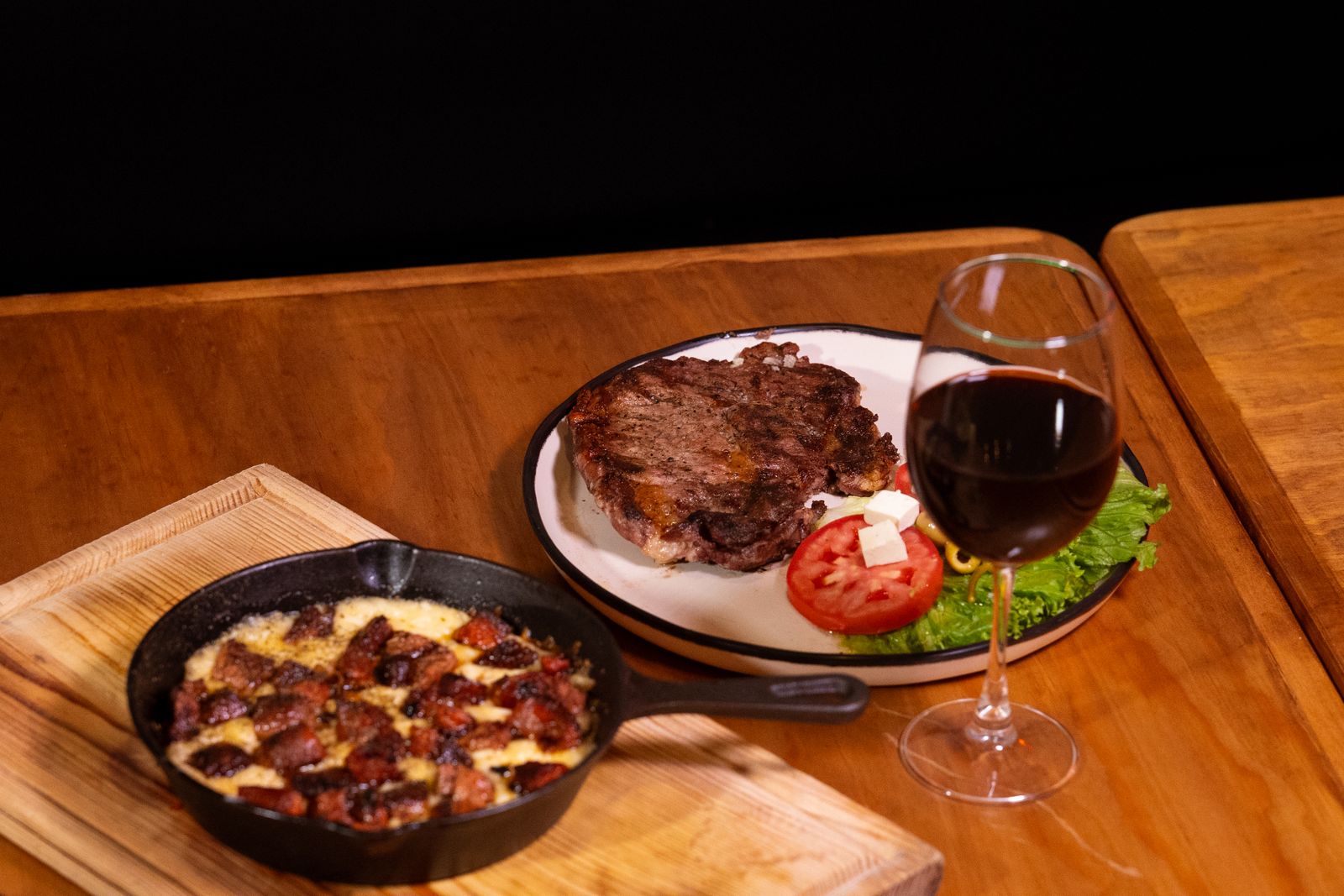
- Pair with: grilled red meat, aged cheeses and roasts.
The name nods to the royal palace of Olite, once the court of the Kings of Navarra, and to 1864, the year the winery behind it gives as the start of its winemaking. It is a story a server can tell in one sentence, which is exactly what sells a bottle tableside.
3. Is Rioja Similar to Cabernet Sauvignon?
Not really, and that is useful to know when you build a list. Rioja is built on Tempranillo, usually blended with Garnacha, Graciano or Mazuelo, and it tends toward red fruit, savory notes and a lighter, more elegant frame than most Cabernet. A Napa Cabernet drinker may love Rioja, but they are trading up into a different style.
The smarter move is a two-step flight. Start that guest on a Navarra Cabernet for familiarity, then move them to a classic Rioja such as Manzanos Reserva (93 points, Wine Enthusiast) or Manzanos Gran Reserva (95 points, Wine Enthusiast). You have turned one by-the-glass sale into a conversation about Spain. For more on how the two great Spanish red regions differ, see our Ribera del Duero vs. Rioja guide.
4. Syrah Has a Home in the Ribera Alta
Navarra's Syrah is one of the region's best-kept secrets. 1864 Castillo de Olite Syrah comes from vineyards in Cárcar, in the Ribera Alta zone, planted at 1,312 to 1,640 feet on clay-limestone soils over alternating marl and gypsum.
- Bright, deep cherry red, with red and black fruit and licorice.
- Six months in barrel, 75% French and 25% American oak, 14.5% alcohol.
- Serve at 55-60°F, a touch below room temperature, to keep it lively.
- Pair with smoked brisket, lamb burgers, grilled sausages and aged cheeses.
For American buyers who already move Rhône-style reds or Australian Shiraz, this is an Old World alternative with a story and a castle on the label.
5. Chardonnay Is Navarra's Signature White
The council calls Chardonnay the most representative white of the D.O., and the 2025 harvest backs that up. 1864 Castillo de Olite Chardonnay is a good example of why.
- Vineyards: the Baja Montaña zone, on poor, sandy, deep, well-drained soils, trained on a high double cordon to keep a large leaf canopy and preserve freshness.
- Winemaking: barrel fermented, aged five months in new and second-use French and American oak, then assembled in concrete tanks.
- In the glass: peach in syrup, white and tropical fruit and a pastry note; round and silky, at 12.5% alcohol.
- Serve at: 45-50°F.
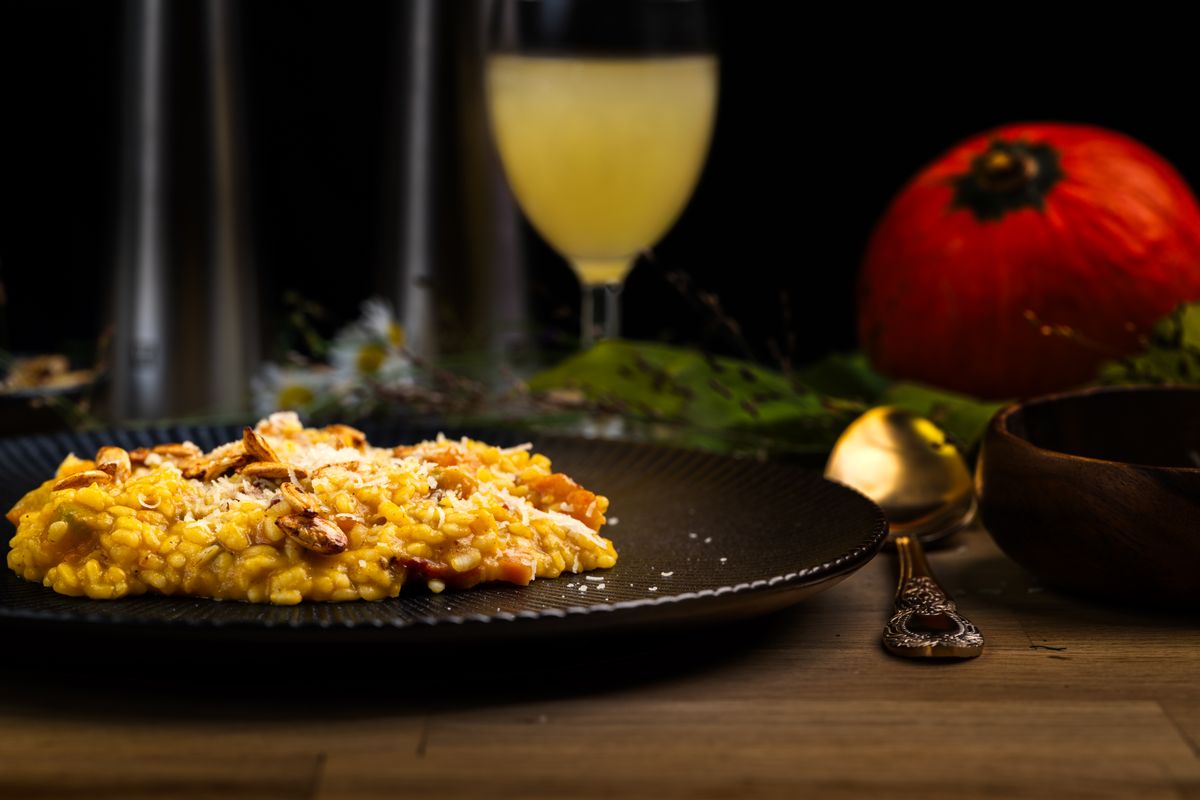
- Pair with: risotto, shellfish and foie gras. In fall, try it with pumpkin or butternut squash risotto.
It sits comfortably next to a California Chardonnay on a list, with a little more lift from its acidity.
6. What Are Some Examples of Wines From Navarra?
Beyond single-variety bottles, Navarra excels at blends that mix native and international grapes. Three from our portfolio show the range:
- 1864 Castillo de Olite Reserva: Garnacha from old bush vines at 1,640 to 1,969 feet, with Tempranillo and a Cabernet from Estella for structure. Twenty-four months in French and American oak. Serve at 60-65°F with roast turkey, pork, grilled vegetables or spicy Asian dishes, which makes it a strong Thanksgiving candidate.
- Las Campanas Red Wine Blend: Tempranillo with Cabernet Sauvignon from Tierra Estella, four months in American oak. Fresh blackberry, blueberry and a hint of chocolate. An easy, food-friendly house red.
- Las Campanas Garnacha and rosado: the native side of Navarra, for guests who want to taste where the region started.
7. The US Market Is Wide Open for Navarra
Here is the number that matters most to the trade. In 2023, the D.O. Navarra sold about 6.8 million liters abroad. Germany led with roughly 1.38 million liters, followed by the UK, the Netherlands, China and Canada. The United States took about 331,000 liters, less than a quarter of Germany's volume, in the world's largest wine market.
That gap is an opportunity. American shoppers already reach for varietal labels, and a Spanish Cabernet or Chardonnay lets a retailer or sommelier offer something new without asking the guest to learn a new grape. Our wines are in stock in the U.S. and ready to ship to all 50 states, so a buyer can test a Navarra slot without long import lead times.
And they come with credibility. Manzanos has been making wine for five generations, since 1890, across Rioja and Navarra, and our portfolio counts 600+ wines rated 90 points or higher, topped by a Decanter Platinum 97 points for Manzanos 125 Aniversario.
How to Put Navarra on Your List or Table
- Restaurants: add a Navarra Cabernet by the glass next to your domestic Cab and let servers pitch it as "the Spanish Cabernet."
- Retailers: shelf the Castillo de Olite range by grape, not only in the Spain section, and tag it "Spanish Cabernet," "Spanish Syrah," "Spanish Chardonnay."
- At home: open the Cabernet with a grilled ribeye, the Chardonnay with a fall risotto, and the Reserva with the holiday roast.
Frequently Asked Questions
Does Spain make Cabernet Sauvignon?
Yes. Cabernet Sauvignon is grown in several Spanish regions, and Navarra is one of the most established. International varieties make up around 30% of the Navarra vineyard, with Cabernet, Merlot, Syrah and Chardonnay among the most planted.
What does Navarra Cabernet taste like?
Expect red and black fruit with black pepper and licorice, framed by moderate oak. Cooler sites in Tierra Estella, influenced by the Urbasa and Andía ranges, help keep the wine fresh and balanced rather than heavy.
What is Navarra famous for?
Navarra is best known for Garnacha rosado, which still makes up about a third of production. Today it is equally a source of reds and of Chardonnay, which accounted for 49% of its white-grape harvest in 2025.
What food goes with Spanish Chardonnay?
Barrel-fermented Navarra Chardonnay pairs well with risotto, shellfish, roast chicken and foie gras. Serve it at 45-50°F so its acidity stays crisp against rich dishes.
Where can I buy Navarra wines in the US?
Our Navarra wines are available through distributors and retailers nationwide. Use our Find Our Wines locator to see the closest store or restaurant.
Find Your Bottle, or Bring Navarra to Your Customers
Wine lovers: explore our wines and use Find Our Wines to locate 1864 Castillo de Olite and Las Campanas near you.
Distributors, retailers and restaurants: we import directly from our family wineries and keep stock in the U.S. Talk to us about sourcing or becoming a distributor.
Manzanos Wines USA is the premier importer of premium wines from Spain, Italy, Chile, South Africa, and France, serving all 50 US states through our nationwide distributor network. Learn more at manzanoswinesusa.com.
Please enjoy responsibly. Must be 21+.
Manzanos Wines USA is a Spanish wine importer in the United States: Rioja and Navarra wines from our own family wineries, in stock in the U.S. and ready to ship to all 50 states.
Wines featured in this story


Discover Our Wines
Explore the full Manzanos Wines USA portfolio — premium wines from Spain, Italy, Chile, France, and South Africa, delivered to distributors and restaurants across America.
Explore Our Wines